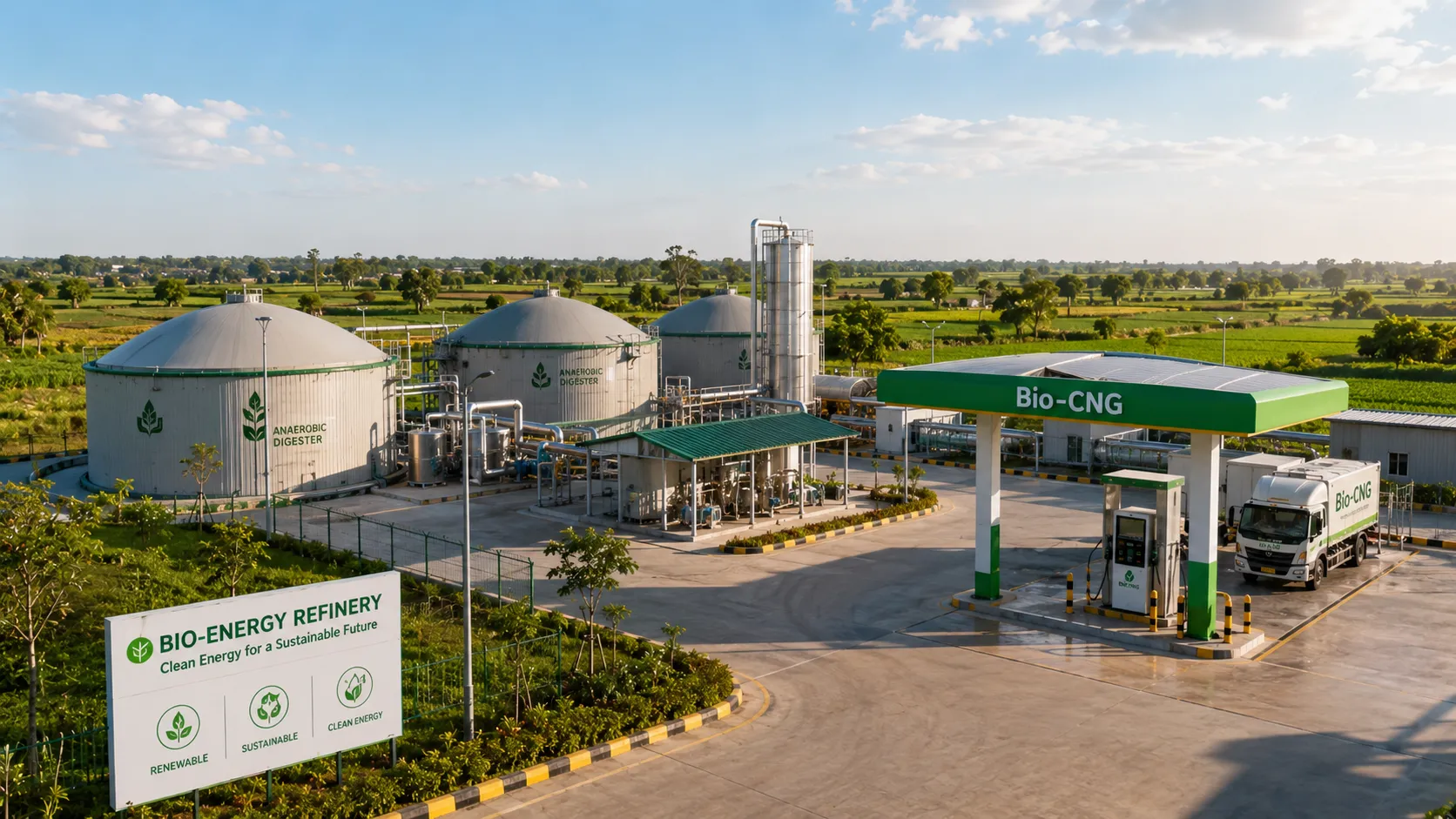
Circular economies in rural sectors have transitioned from visionary environmental frameworks into vital macroeconomic pillars designed to insulate village communities from resource scarcity and systemic supply chain shocks. For generations, the industrial architecture of agrarian production operated on a deeply flawed, linear trajectory characterized by the “take-make-dispose” model. Under this legacy system, vast volumes of agricultural residues, livestock manure, and organic processing secondary products were treated as liabilities. They were either openly burned in fields—causing severe seasonal air pollution—or discarded into open waterways, causing widespread environmental degradation.
Related Insights

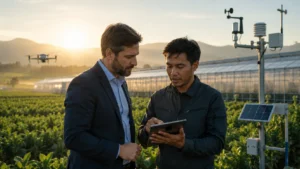
This systemic extraction of resources permanently stripped rural ecosystems of critical nutrients, increased dependency on expensive imported chemical inputs, and left localized populations economically exposed. Today, the rapid deployment of decentralized waste-to-value infrastructure is fundamentally reversing this cycle. By converting agricultural waste into high-value bio-energy and organic fertilizers, circular systems are laying the foundation for true rural economic autonomy.
As we navigate through 2026, the strategic implementation of circular economies in rural sectors serves as a primary driver for structural economic diversification. Volatile international markets, soaring costs for synthetic fertilizers, and rigid global carbon mandates have rendered conventional agrarian models financially unsustainable. For municipal planners, institutional investors, and rural cooperatives, building closed-loop systems is no longer an idealistic ecological exercise; it is a calculated financial imperative.
By capturing, refining, and recycling local biomass streams, rural communities can retain immense financial value that previously leaked out to external corporations. Through advanced biochemical processing, thermal gasification, and digital inventory networks, modern village economies are transitioning into self-contained industrial nodes capable of generating sustainable power, high-yield biological inputs, and verified carbon credits for the global market.
The Structural Transition: From Extractive Exploitation to Closed-Loop Autonomy
To fully appreciate the commercial impact of circular economies in rural sectors, one must analyze the stark operational inefficiencies of traditional, linear agricultural supply chains. In a conventional linear framework, the economic lifecycle of a farm ends immediately at the harvest gate. The primary crop is exported to urban centers, while the remaining biomass is discarded as worthless residue. This creates a continuous, unidirectional drain on local environmental capital.
Related Insights
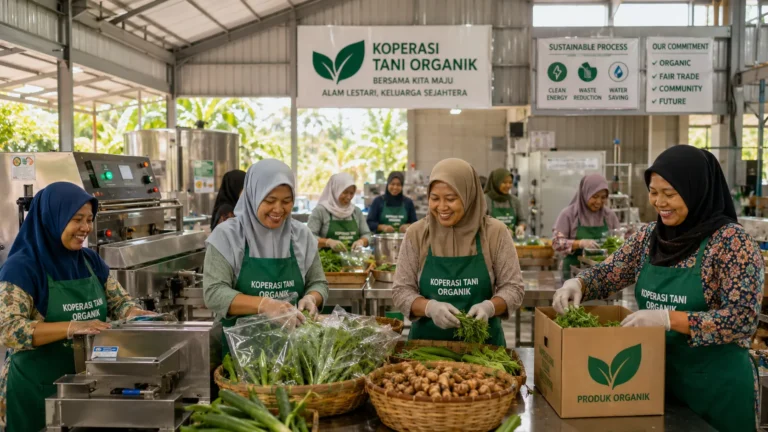
A closed-loop circular economy completely fundamentally alters this dynamic by establishing a continuous loop of materials and energy. In this system, every single operational output from one production stage serves as the direct, high-value input for another. Crop residues become raw feedstock for localized bio-refineries; animal manure is funneled into anaerobic digesters to generate clean electricity; and the nutrient-dense digestate left behind replaces volatile, foreign-sourced chemical fertilizers.
This holistic integration ensures that capital remains concentrated within the geographic boundary of the village, multiplying local income streams and providing a profound structural buffer against macro-economic disruptions.
Transforming Agricultural Waste into High-Value Bio-Energy
The core technological engine driving the success of modern waste-to-value infrastructure is the transformation of raw agricultural waste into high-value bio-energy assets. Rural sectors produce an almost inexhaustible supply of high-energy organic matter, ranging from rice husks and straw to livestock manure and food processing sludge. By deploying advanced processing systems directly within rural hubs, communities can cleanly eliminate waste management liabilities while generating premium energy products.
The Economics of Anaerobic Digestion and Bio-CNG
Anaerobic digestion stands as a primary technology for rural waste monetization. Inside sealed, industrial-grade digesters, specialized micro-organisms break down organic wastes in the complete absence of oxygen. This biochemical breakdown generates biogas, a methane-rich fuel source that can be cleanly combusted to produce localized electricity and heat. In 2026, progressive rural cooperatives are taking this process a step further by upgrading raw biogas into compressed bio-methane (Bio-CNG). Bio-CNG possesses an energy density identical to fossil-fuel-derived natural gas, allowing it to be injected directly into regional pipelines or utilized as a premium, low-cost fuel for commercial transport trucks and automated agricultural machinery, thereby insulating local logistics from international oil market shocks.
Biomass Gasification for Distributed Power Grids
For woody or high-cellulose crop residues that are difficult to process via biological digestion—such as cotton stalks, corn stover, or coconut shells—villages deploy advanced biomass gasification systems. Gasification subjects the dry biomass to extreme temperatures under controlled oxygen levels, converting the solid organic matter into synthesis gas (syngas). This clean-burning syngas is routed directly to high-efficiency generators to supply continuous, baseline electricity to localized mini-grids, ensuring that rural hospitals, digital processing centers, and processing facilities enjoy uninterrupted power without relying on fragile, centralized national grids.
The Multi-Layered Financial Benefits of Circular Systems
The macroeconomic ROI of investing in circular economies in rural sectors extends far beyond the direct sale of generated power. The financial returns are distributed across multiple layers of the local community structure, driving cross-industry productivity gains and creating unprecedented community resilience.
- Drastic Input Cost Reduction: The solid and liquid digestate produced during bio-energy generation serves as an exceptional, pathogen-free organic fertilizer rich in nitrogen, phosphorus, and potassium. Utilizing local organic inputs allows farmers to slash their synthetic chemical fertilizer expenditures by up to 60%, significantly maximizing net profit margins.
- New Local Green Employment: Operating, maintaining, and managing decentralized bio-refineries, biomass collection networks, and digital logistics hubs creates high-skilled, well-paying technical positions directly within the rural landscape, reversing historical urban migration trends.
- Sovereign Carbon Credit Asset Generation: By capturing methane emissions that would otherwise escape from decomposing open manure pits and substituting fossil fuels with clean syngas, waste-to-value projects generate top-tier, high-integrity carbon offsets that command premium valuations on global compliance and voluntary markets.
This diverse economic portfolio guarantees that the capital invested in building circular infrastructure functions as a high-yield asset class, attracting conservative institutional investors seeking both robust financial returns and verifiable environmental impacts.

Synergizing Waste Infrastructure with the Broader Rural FinTech Ecosystem
The successful monetization of biomass and bio-energy resources requires a reliable digital and financial framework to manage complex collection logistics, distribute recurring energy payouts, and allocate capital efficiently. Circular economies in rural sectors reach their maximum economic potential when they are directly integrated with modern, data-driven rural financial architectures.
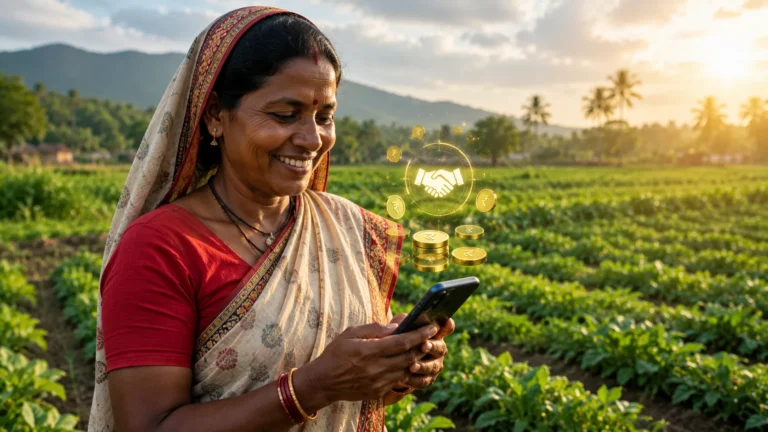
This cross-platform integration creates a powerful, self-sustaining financial loop. For instance, the reliable daily revenue streams generated by selling bio-CNG or organic fertilizers are distributed instantly to local smallholders via mobile wallets, directly accelerating regional mobile wallet adoption rates and expanding commercial retail velocity.
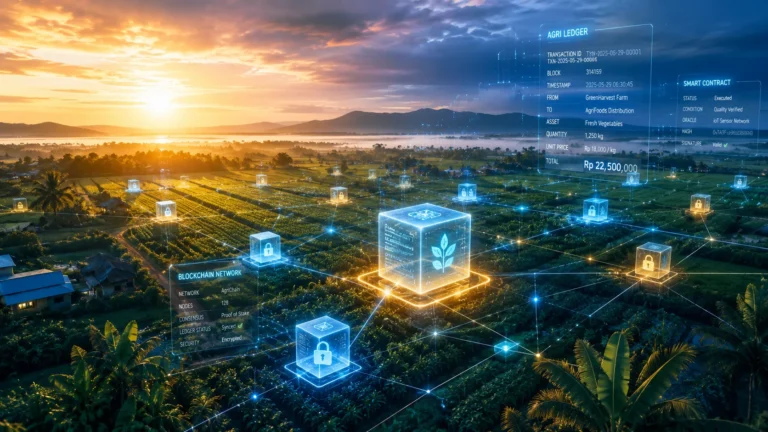
Furthermore, this continuous digital transaction flow generates an invaluable, unalterable ledger that allows local cooperatives to qualify for cutting-edge digital financial inclusion strategies, effectively de-risking rural credit profiles for global commercial lenders. By anchoring local biomass data within automated risk models, tech-enabled communities can easily safeguard their infrastructure assets against climate shocks via next-generation parametric crop insurance models and access expansion capital through decentralized peer-to-peer microfinance networks, ensuring the entire village economy seamlessly qualifies for substantial resources distributed via global international green grants.
According to comprehensive clean energy data briefs published by the International Energy Agency (IEA), integrating decentralized bio-energy networks with transparent digital payment systems is the single most effective methodology to scale rural renewable energy investments globally. It gives international asset managers absolute confidence that local operational transactions are fully auditable, secure, and free from administrative leakage.

Conclusion
Building circular economies in rural sectors via modern waste-to-value infrastructure marks a definitive paradigm shift in the evolution of global environmental economics. By transforming traditional waste liabilities into premium bio-energy assets, organic fertilizers, and high-integrity carbon credits, rural communities are successfully breaking the historical chains of linear economic dependency. The constraints of high input inflation, localized energy poverty, and geographical isolation are being systematically dismantled by the intelligent deployment of closed-loop engineering.
As biochemical technologies become more refined, digital tracking sensors achieve absolute transparency, and corporate ESG capital alignment intensifies worldwide, the rural sectors that act decisively to capture and industrialize their biomass streams will secure their position as the primary anchors of a highly resilient, self-sustaining, and prosperous global green economy.