
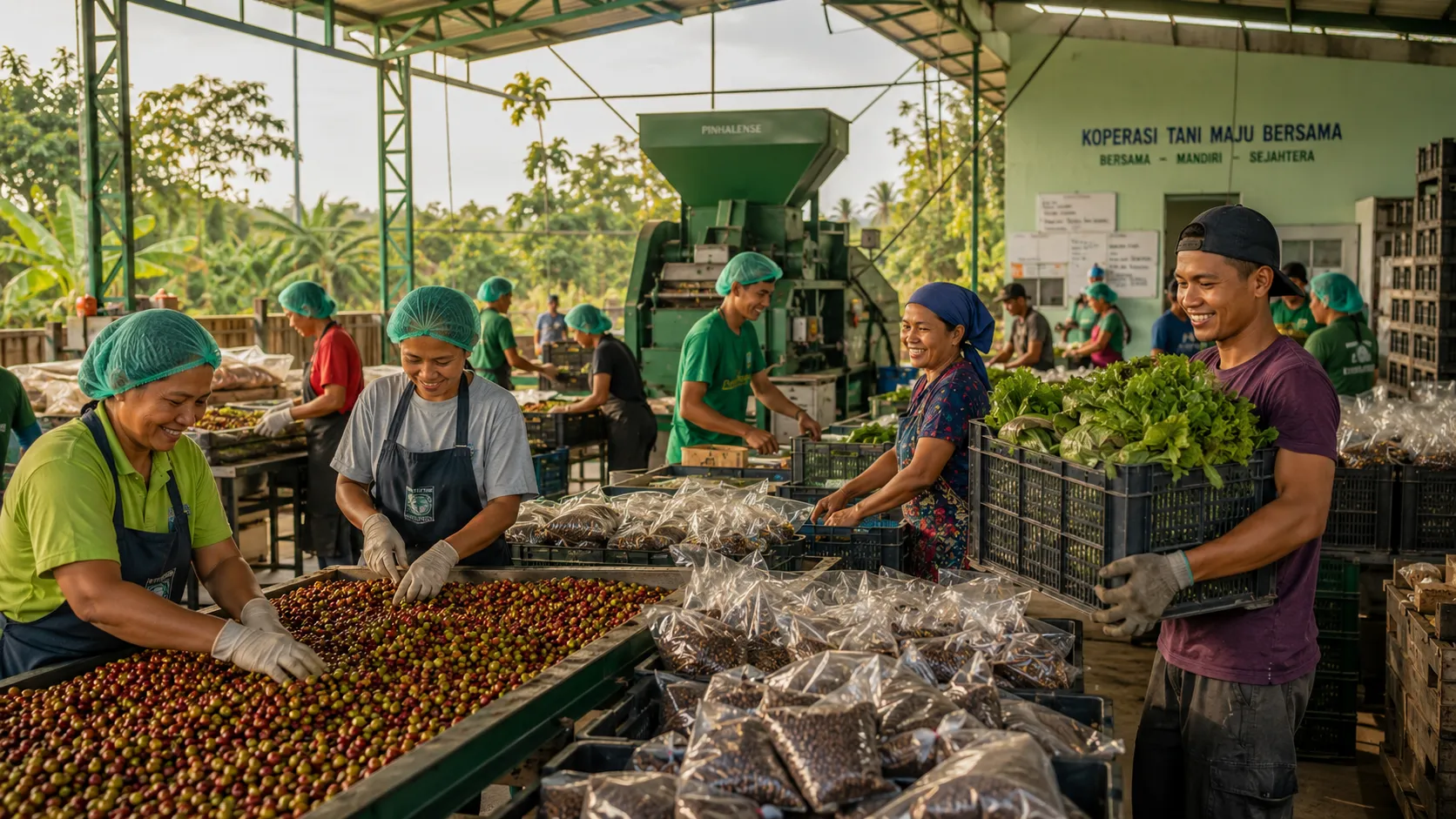
Micro-equity models have rapidly emerged as a sophisticated financial architecture designed to permanent formalize the economic foundations of agrarian micro-enterprises across emerging markets. For generations, the primary bottleneck suppressing rural economic velocity has been the extreme scarcity of affordable, long-term capital. Traditional microfinance institutions, while effective at proving the fundamental creditworthiness of unbanked populations, primarily offer short-term, high-interest debt products.
Related Insights


This standard debt burden is fundamentally incompatible with the cash flow realities of primary agricultural production, which are characterized by severe seasonal volatility and high exposure to climate shocks. By shifting the underwriting logic from high-velocity debt service to long-term equity partnership, modern fintech inclusion platforms are successfully de-risking the agricultural value chain. This operational review evaluates how sophisticated blended finance frameworks, which merge public concessionary capital with localized private lending pools, are successfully lowering capital costs and dramatically enhancing financial resilience for primary producers.
As we navigate through the advanced financial landscape of 2026, the convergent global push for absolute financial inclusion dictates that commercial debt cannot be the sole mechanism for driving grassroots economic integration. Private capital requires strict, market-based returns that agrarian micro-enterprises cannot reliably generate during initial developmental phases without catastrophic default risk. Therefore, the strategic integration of public concessionary capital—functioning as a non-repayable or highly patient risk buffer—is non-negotiable. Blended capital frameworks utilize this public money as a strategic first-loss guarantee, effectively lowering the financial risk floor for localized private commercial lenders.
This structural de-risking unlocks massive capital allocations that would otherwise remain sidelined, allowing agrarian micro-enterprises to capture commercial assets and scale operations without being strangled by high-interest debt repayment cycles before achieving consistent revenue generation.
The Mechanics of Risk: Public Capital as a Subsidized Loss Buffer
To fully appreciate the commercial velocity that blended capital frameworks provide, one must first analyze why unmitigated private debt systematically fails in high-risk rural territories. Commercial banking syndicates determine interest rate premiums based on comprehensive, backward-looking probability-of-default (PD) and loss-given-default (LGD) metrics. Within isolated agrarian communities where asset validation is slow and information asymmetry is high, these mathematical default probabilities spike automatically. This institutional hesitation keeps base lending rates for thin-file producers stuck between 18% and 36%, trapping operators in subsistence low-production workflows.
Related Insights


Blended capital structures neutralize this operational bottleneck by integrating dofollow outbound links to premier multilateral research provided by the World Bank. Under these hybrid frameworks, public subsidies are utilized not as continuous charity, but as a strategic first-loss tranche. A development finance institution or national treasury deposits a pool of public concessionary capital into a localized special purpose vehicle (SPV).
In the event of a systemic crop failure or extreme market shock, this public money absorbs the first 15% to 30% of total investment losses. Because their primary principal is now mathematically shielded from initial volatility, commercial private banks and international fixed-income funds can confidently lower their base lending rates to near-urban benchmarks, radically expanding the total liquidity pool available for rural cooperative assets.
Scaling Micro-Equity: Achieving Systemic Financial Resilience
The profound macroeconomic acceleration triggered by scaling hybrid micro-equity models reaches its absolute peak velocity when it interfaces directly with existing, data-driven rural financial architectures. The absolute certainty of operational liquidity served by blended capital functions as the foundational layer that unlocks a diverse spectrum of sophisticated digital wealth-building tools, permanently formalizing the economic landscape of smart village networks.
This cross-platform technical connectivity creates an incredibly resilient, self-reinforcing economic loop. For instance, the reliable digital transactional records generated by micro-equity platforms directly generate the exact data required to accelerate localized mobile wallet adoption rates and expand regional retail commerce. Furthermore, this absolute transactional transparency allows thin-file producers to easily satisfy the strict risk validation benchmarks of advanced de-risking rural credit initiatives tracked heavily by global financial dataset platforms managed by international organizations like the Consultative Group to Assist the Poor (CGAP).
By removing historical credit barriers, newly equity-protected cooperatives can confidently insulate their seasonal input investments via automated climate-indexed parametric insurance models, access large-scale structural funding raised via decentralized peer-to-peer microfinance networks, build pristine credit metadata via alternative credit scoring models, and modernize their physical operations through leased hardware backed by asset-backed financing configurations, ensuring the entire village network seamlessly qualifies for substantial resources distributed through global international green grants.
Comprehensive agricultural finance reports published by the United Nations confirm that embedding sophisticated micro-equity structures as the baseline funding for grassroots development is the single most effective methodology to build long-term structural resilience against climate anomalies. It guarantees that working capital circulates exclusively within productive, income-generating field operations without encountering institutional administrative leakage or corporate corruption at any stage of the asset lifecycle.
Conclusion
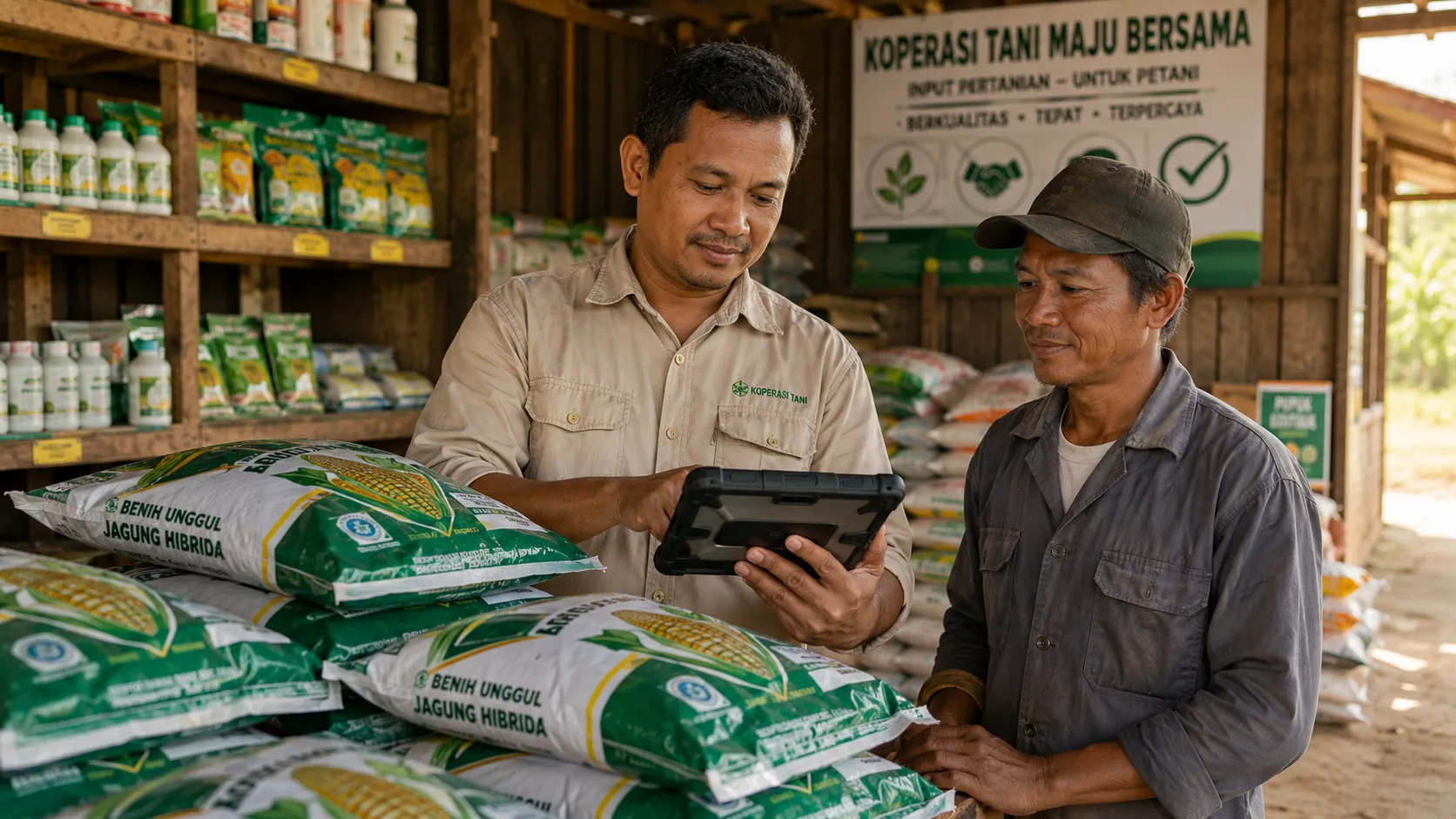
The widespread global expansion of hybrid micro-equity frameworks marks a permanent, structural evolution in the execution of international development finance, turning the historic vulnerability of agrarian micro-enterprises into a highly secure, data-verified commercial opportunity for global capital pools. By replacing old, exclusive, and document-heavy legacy credit assessment methods with automated smart contract governance and unalterable digital ledger tracking, the global fintech movement has successfully built an unassailable highway toward universal financial inclusion.
The historical constraints of geographical isolation, lack of physical property documentation, and deep informational asymmetry are no longer absolute barriers to economic self-reliance. As decentralized cloud architectures continue to mature, automated underwriting platforms achieve absolute consensus transparency, and corporate ESG mandate compliance intensifies across all international borders, the agrarian cooperative networks that confidently integrate with these digital financial inclusion platforms will secure their position as the highly resilient, self-sustaining anchors of the modern global economy.