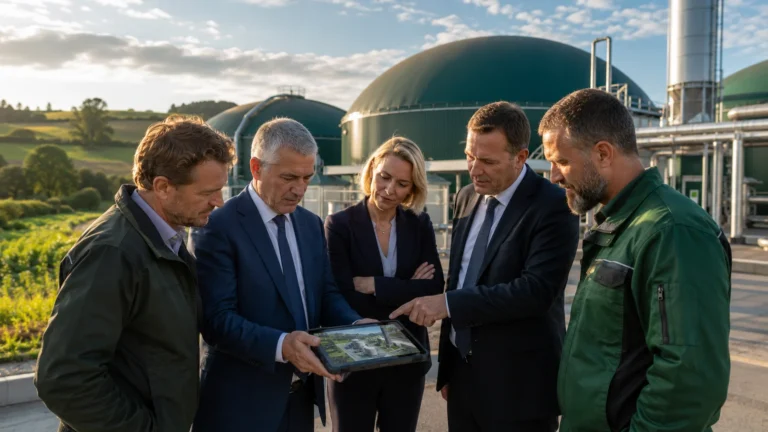
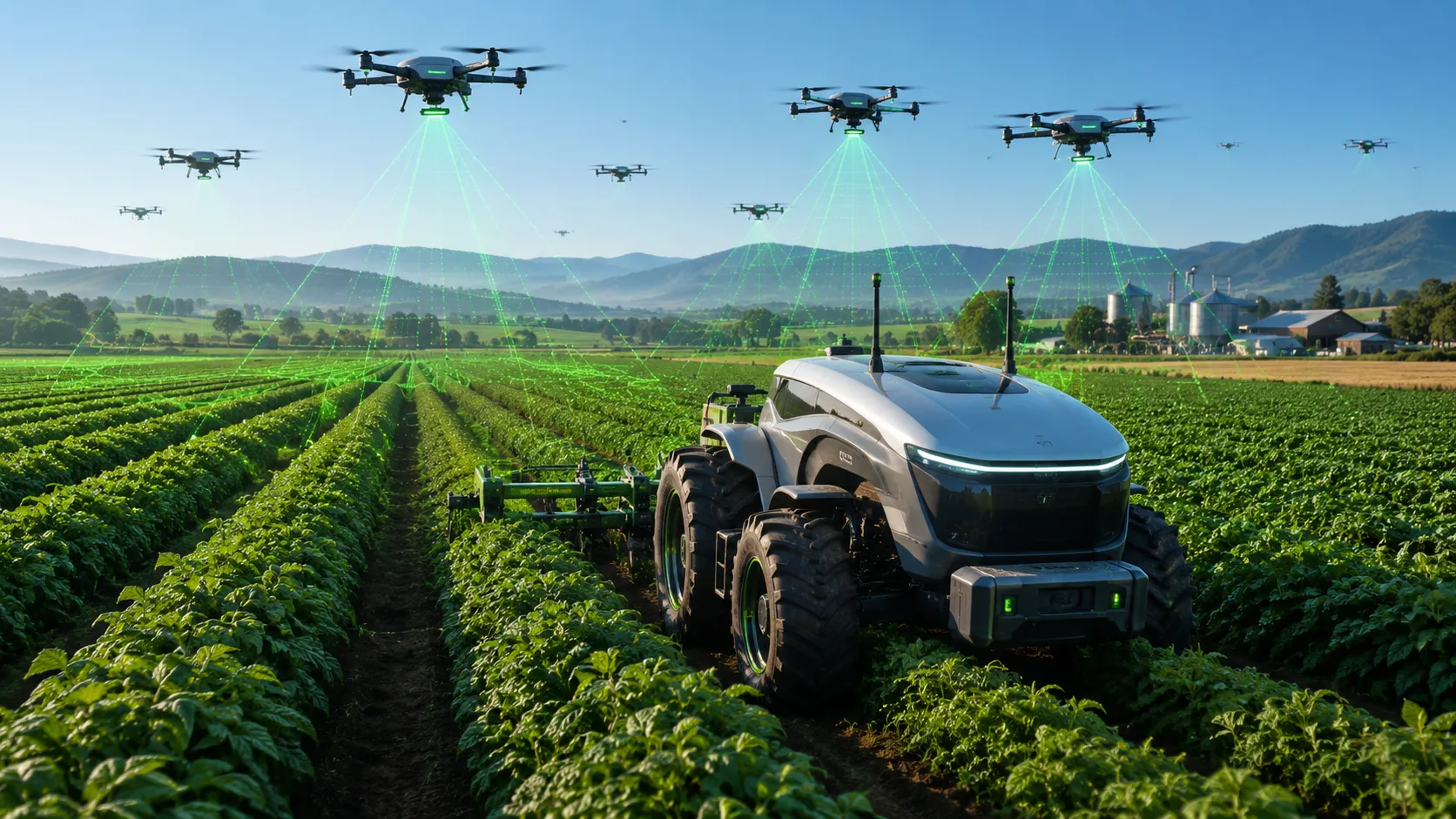
AgTech venture capital has entered a highly disciplined, transformative era in 2026, shifting global investor attention toward scalable upstream solutions and smart village innovation. For several years, the global venture capital market underwent a necessary correction, transitioning away from the growth-at-all-costs philosophy that dominated consumer-facing food delivery apps and e-grocery platforms. Today, institutional capital is flowing directly toward deep tech, physical AI, and automation designed to solve fundamental operational constraints in rural areas. Global food security, acute labor shortages, and intensifying climate volatility have forced a structural re-evaluation of rural productivity. As a result, savvy investors are realizing that the next major frontier of exponential economic value lies not in urban tech hubs, but in the modernization of smallholder landscapes and localized agricultural hubs. By channeling AgTech venture capital into smart village ecosystems, the international investment community is actively funding the core infrastructure required to drive global agricultural efficiency.
Related Insights

This massive reallocation of capital represents a shift from hype-cycle financing to evidence-gated financing. In the current market environment, founders can no longer secure multi-million-dollar rounds based on conceptual presentations or standalone software applications. Institutional investors now demand proof of field deployment, verified customer adoption, and repeatable unit economics that demonstrate a clear, tangible return on investment (ROI) at the farm level. Smart villages—rural communities integrated with decentralized energy, high-speed digital connectivity, and automated agricultural infrastructure—provide the perfect operational sandbox for these technologies. By building dense ecosystems where technology can be deployed efficiently across contiguous farming clusters, smart village innovations dramatically reduce customer acquisition costs for agritech startups, making them highly attractive targets for global AgTech venture capital funds.
The Upstream Pivot: From Consumer Apps to Field Intelligence
To fully comprehend why global investors are heavily backing smart village networks, one must analyze the broader structural shifts occurring within the agricultural technology sector. According to recent data from global investment reports, funding for upstream technologies—those built directly for farms, biological input efficiency, and localized processing systems—has experienced consistent, year-over-year growth even as overall global venture funding contracted. Lenders and asset managers are seeking defensible data advantages and tangible physical assets that protect supply chains from macro shocks.
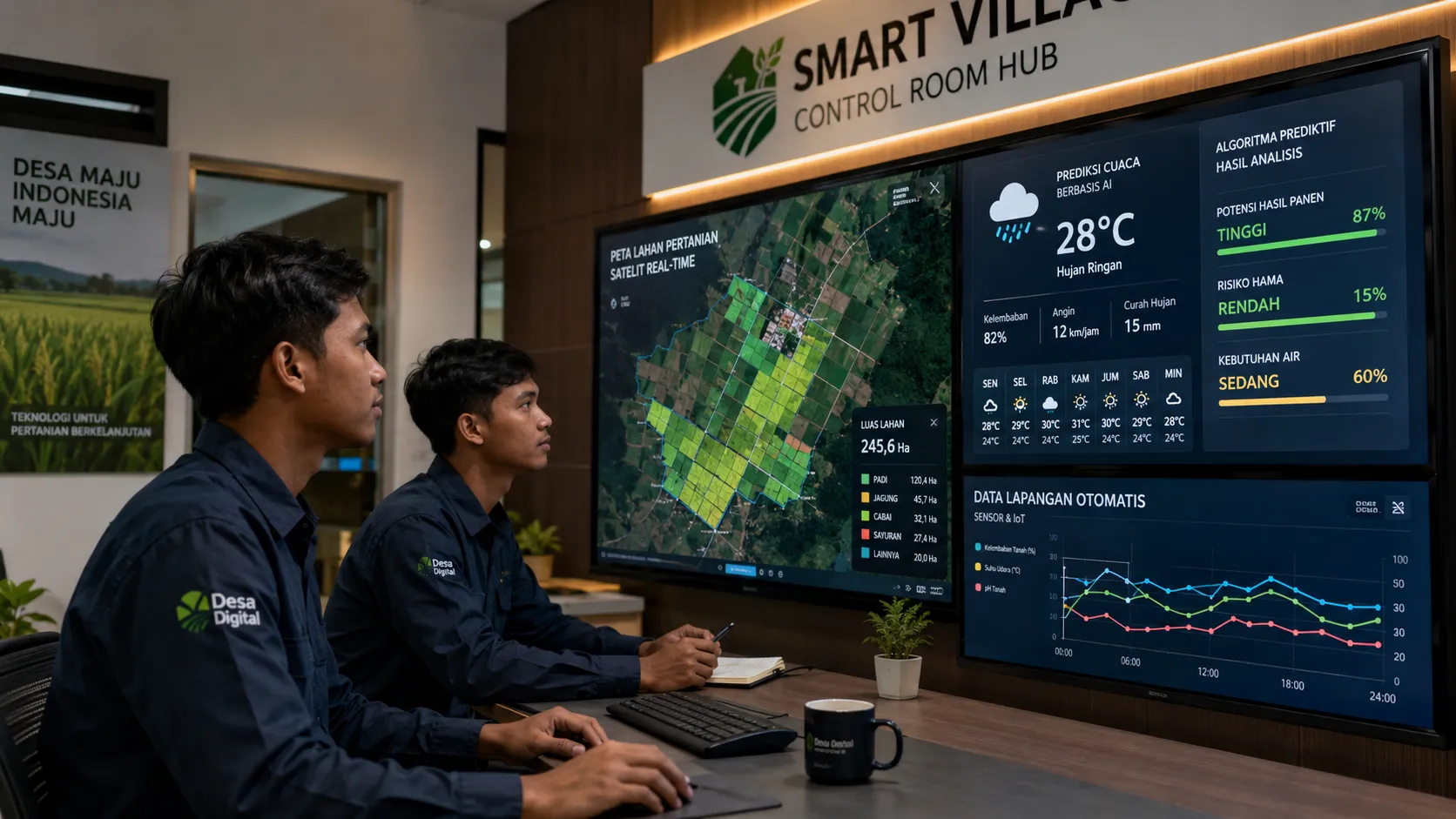
Smart village innovation acts as the critical deployment highway for these upstream advancements. When a rural community updates its digital infrastructure, it unlocks the ability to deploy sophisticated precision agriculture tools at scale. For instance, high-speed connectivity allows a network of smallholder farms to feed real-time soil telemetry and crop health analytics into centralized, AI-driven regional processing centers. This structural connectivity eliminates the isolation that historically prevented rural enterprises from participating in the formal economy, paving the way for institutional investors to deploy AgTech venture capital with unparalleled precision and minimal operational friction.
Top 5 Global Hubs Driving AgTech Venture Capital Growth
The geographic distribution of capital has evolved rapidly, with several key nations emerging as dominant forces in the development and deployment of precision agricultural solutions. While historical funding was heavily concentrated in traditional technology corridors, the necessity for field-level validation has decentralized the investment landscape. Here are the top five countries experiencing the largest growth in AgTech venture capital inflows today:
Related Insights

- United States: The undisputed global leader in raw capital volume, North American funding is heavily anchored by massive institutional investments in broad-acre precision hardware, autonomous machinery, and advanced biological input technologies that dictate international market standards.
- Australia: Emerging as the primary global testbed for broad-acre automation and hyper-arid climate resilience, Australian startups are drawing historic levels of foreign investment due to their highly advanced commercial field testing environments and high-ROI robotic weeding systems.
- India: Experiencing a massive surge in early-stage and growth equity, the subcontinent has become a premier hub for digital market linkages and smart village infrastructure, connecting hundreds of millions of smallholders via unified smartphone ecosystems.
- Brazil: Driven by massive large-scale industrial farming demands, South America’s agricultural superpower is attracting capital to scale digital agronomy platforms, satellite-based soil monitoring networks, and natural bioherbicides.
- The Netherlands: Operating as Europe’s primary agricultural anchor, the Dutch market leads the world in indoor farming automation, vertical greenhouse robotics, and circular economy technologies that optimize high-value crop yields.
By closely monitoring these geographic hotspots, global funds can strategically position their portfolios to capture localized innovations before they scale internationally. The unique combination of the United States’ deep technical capital stacks and Australia’s rigorous real-world field validation environments creates an ideal cross-border synergy that accelerates the commercialization of next-generation agritech hardware.
Automation, Physical AI, and Robotics as Core Economic Drivers
At the center of the smart village transformation is the deployment of physical artificial intelligence and autonomous robotics designed to operate under unpredictable field conditions. Agriculture has hit a critical breaking point regarding labor availability; across both developed and developing regions, the average age of agricultural workers continues to climb, while younger demographics migrate toward urban centers. To prevent catastrophic supply chain disruptions, the global food production system must automate its most labor-intensive workflows.
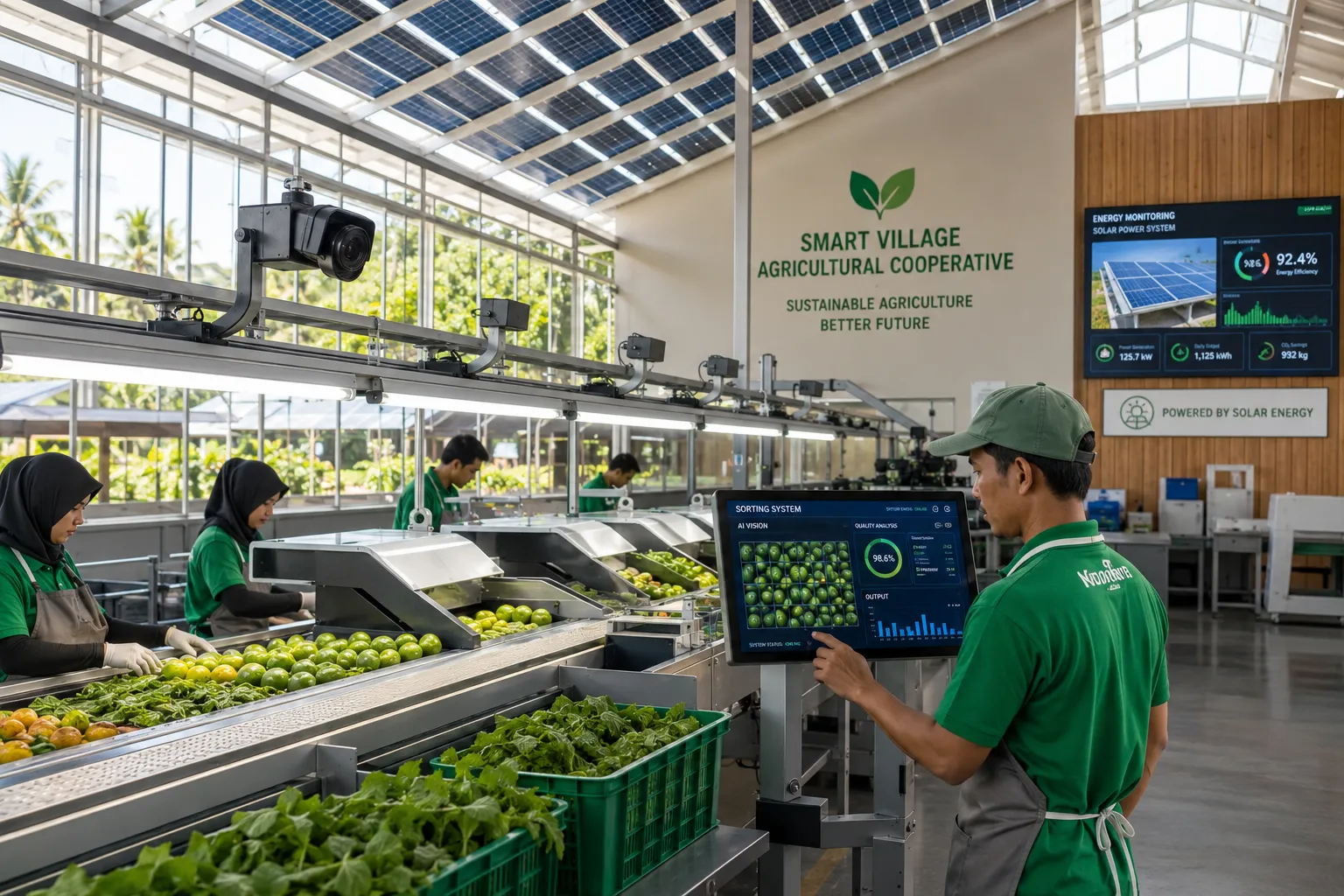
Global investors are heavily targeting startups that embed AI into functional hardware systems rather than developing standalone software tools looking for a problem. Robotic weeders that utilize advanced computer vision to identify and eradicate invasive plants at the root without chemical application, automated harvesting arms for high-value specialty crops, and driverless tractors are rapidly becoming standard operating infrastructure. When these autonomous assets are shared across a smart village cooperative, the capital expenditure is distributed equitably, allowing small-scale producers to access industrial-grade efficiency. This shared-value model de-risks the entire investment for AgTech venture capital providers by ensuring high asset utilization rates and predictable revenue streams.
Synergizing Venture Capital with Rural Financial Safeguards
Deploying large-scale AgTech venture capital into emerging rural markets requires the existence of robust financial infrastructure to absorb and protect those investments. Startups cannot scale their technology if the underlying community lacks access to basic liquidity or operational risk management tools. Therefore, savvy venture funds are actively prioritizing agritech platforms that integrate their technical offerings with holistic rural financial safety nets.
This integration creates a powerful, self-reinforcing financial loop. For instance, when smart village cooperatives leverage automated data to secure capital, they dramatically improve their eligibility for advanced digital financial inclusion tools that de-risk local operations. Furthermore, by linking localized field metrics directly to automated risk frameworks, these tech-enabled communities can seamlessly integrate with next-generation parametric crop insurance models. This multi-layered digital framework guarantees that if an extreme weather event occurs, the local economic ecosystem does not collapse, safeguarding both the rural community’s livelihood and the investor’s institutional capital portfolio.
Blended Capital Stacks and the Shift to Impact Accountability
Another profound evolution occurring within the AgTech venture capital landscape is the widespread adoption of blended capital stacks. Startups are increasingly designing financing pathways that combine traditional equity with non-dilutive capital, commercial project finance, corporate venture capital partnerships, and strategic off-take agreements. This diverse financial structure allows deep-tech agricultural companies to survive the prolonged research and development cycles inherent in biological and hardware innovation without excessively diluting early-stage founders.
According to comprehensive agricultural market insights published by the AgFunder Research Network, modern institutional investors are prioritizing strict accountability over vague environmental promises. As regenerative agriculture moves from a marketing narrative to a scientific requirement, startups must provide verified data to back up their ecological claims. Technologies that offer automated carbon accounting, satellite-verified soil health restoration, and traceable supply chain metrics are securing premium valuations because they allow global corporations to satisfy rigid international environmental mandates transparently.
Democratizing Innovation and Reversing Rural Brain Drain
Ultimately, the influx of AgTech venture capital into smart village innovations is driving a profound social transformation across rural landscapes. Historically, rural youth were forced to abandon their family lineages and migrate to overcrowded cities in search of modern, high-paying tech careers. However, as villages transform into connected, data-driven innovation hubs, agriculture is being completely redefined as a highly sophisticated, respectable technology sector.
Smart villages are rapidly creating local employment opportunities for drone pilots, data analysts, automated machinery technicians, and bio-chemical researchers. By retaining local talent and equipping them with cutting-edge digital infrastructure, these communities are developing a highly specialized workforce capable of managing complex, tech-enabled agricultural operations independently. This localized human capital accumulation provides global investors with the ultimate operational safeguard, ensuring that the advanced technologies funded by international venture capital are operated, maintained, and optimized by a capable local workforce dedicated to long-term regional prosperity.
Conclusion
The convergence of AgTech venture capital and smart village innovation marks a permanent turning point in the evolution of global food systems. The investment landscape has decisively evolved past the era of superficial digital tools, anchoring its capital in physical intelligence, field-level automation, and rigorous data verification. By transforming fragmented, vulnerable rural landscapes into highly connected, resilient, and optimized agricultural hubs, smart village networks provide the commercial scale and operational security that global institutional investors have long been searching for. As these technologies continue to mature, scale across geographies, and integrate with transparent data frameworks, they will play a foundational role in securing global food supplies, maximizing agricultural efficiency, and empowering hundreds of millions of rural producers to operate profitably within a highly sustainable, technology-driven global economy.