Executive Summary: As emerging market economies race toward aggressive decarbonization and energy blending milestones, the structural integrity of the underlying Biofuel Supply Chain is facing unprecedented macroeconomic scrutiny. Indonesia’s ambitious national roadmap to erect between 30 and 50 new bioethanol processing plants—designed to feed the impending E20 fuel mandate—has triggered a fierce national debate regarding agricultural land-use optimization, domestic food security, and industrial capacity. While sovereign policy directs massive capital expenditure toward downstream refining assets, the fundamental bottleneck remains upstream: securing a reliable, price-stable, and legally compliant supply of agricultural feedstock without cannibalizing domestic sugar production. This strategic brief delivers an executive-level analysis of the Biofuel Supply Chain, evaluating the delicate equilibrium between national sugar self-sufficiency and the rapid scaling of renewable fuel infrastructure.
Related Insights


For institutional allocators, agribusiness conglomerates, and project finance syndicates, understanding the mechanics of the Biofuel Supply Chain is essential before deploying capital into greenfield processing facilities. The core economic friction lies in the competing allocation of arable land and sugarcane juice between the sweetener market and the fuel tank. With national sugar self-sufficiency remaining a paramount sovereign objective, expanding ethanol production requires more than simply constructing mills; it mandates a radical, technology-driven transformation of agrarian yields, farm-gate logistics, and upstream land tenure management. This article examines the systemic risks and high-yield opportunities embedded within the agro-industrial nexus of the Biofuel Supply Chain.
The macroeconomic implications of this feedstock dilemma extend far beyond domestic agricultural policy; they dictate the risk-adjusted returns of multi-billion-dollar energy investments. When structural deficits in raw material supply threaten plant utilization rates, the velocity of capital slows down, impacting debt service coverage ratios and project valuations. Consequently, private sector participants must look past basic plant engineering and focus intensively on the resilience of their upstream sourcing networks. Navigating this landscape requires a sophisticated integration of alternative data, modern agronomy, and disciplined risk mitigation strategies, mirroring the structural complexities seen in the EV battery value chain and downstreaming strategy.
The Feedstock Bottleneck: Balancing Sugar Self-Sufficiency and Ethanol Expansion
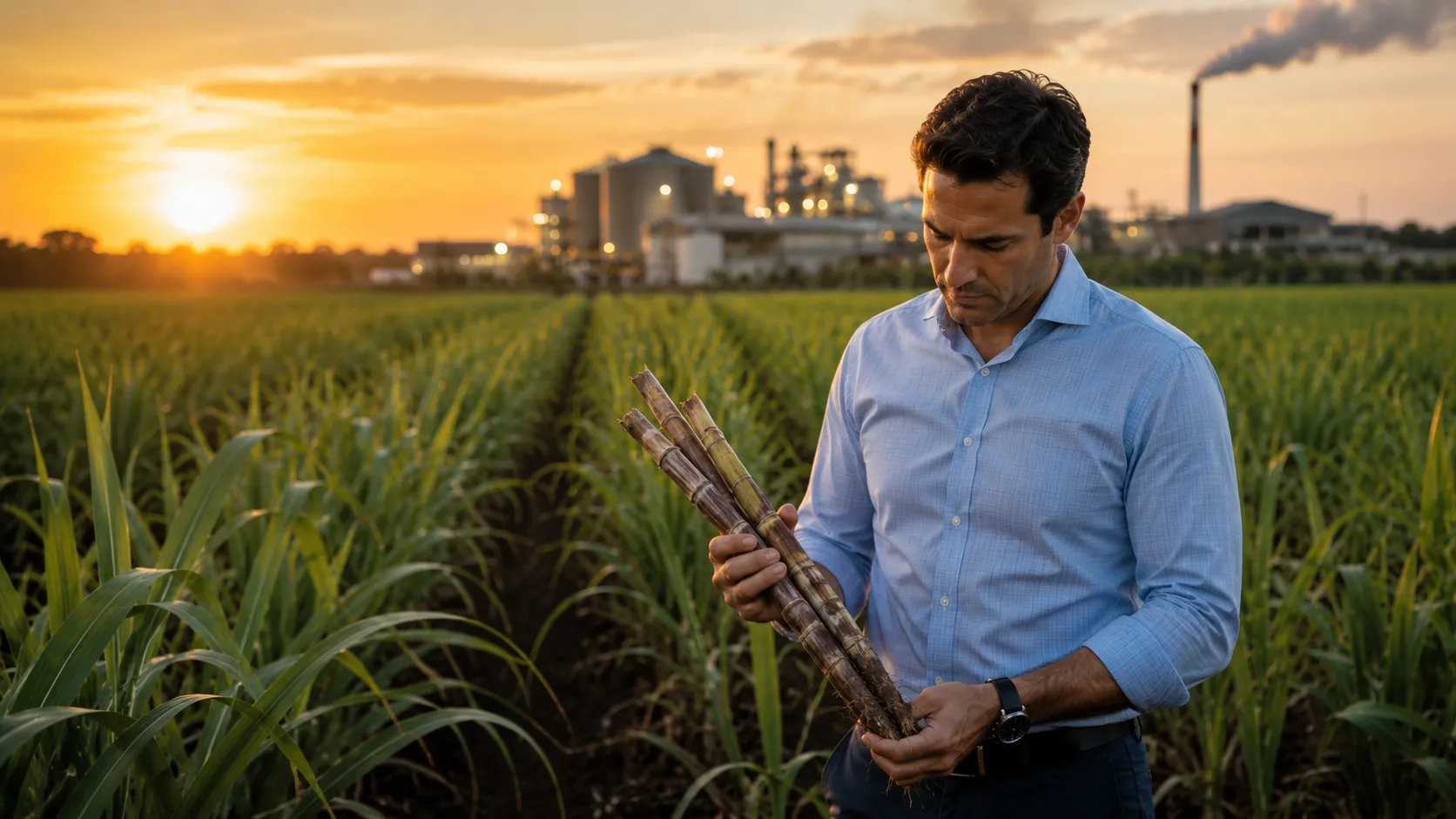
The primary structural vulnerability within the modern Biofuel Supply Chain is the acute competition for sugarcane feedstock. Sugarcane serves a dual economic purpose: it is both the foundational raw material for domestic sugar consumption and the primary substrate for molasses-based bioethanol production. When the state simultaneously pursues complete national sugar self-sufficiency and a massive scale-up of 30 to 50 new ethanol refineries, it creates an immediate zero-sum dynamic for regional agricultural output unless overall productivity experiences an exponential leap.
Historically, domestic sugarcane yields per hectare in key production regions have lagged behind global benchmarks due to aging plant varieties, fragmented smallholder land ownership, and insufficient irrigation infrastructure. If new bioethanol mills commence operations without a corresponding surge in raw material cultivation, they risk starving the domestic sugar market of essential juice and molasses, triggering inflationary pressures on food commodities. This classical food-versus-fuel paradox forces policymakers and private developers to carefully calibrate their sourcing strategies. Rather than diverting existing sugar supplies, the expansion of the Biofuel Supply Chain must rely strictly on targeted land intensification, opening up non-productive marginal lands, and deploying high-yielding drought-resistant crop variants.
Related Insights
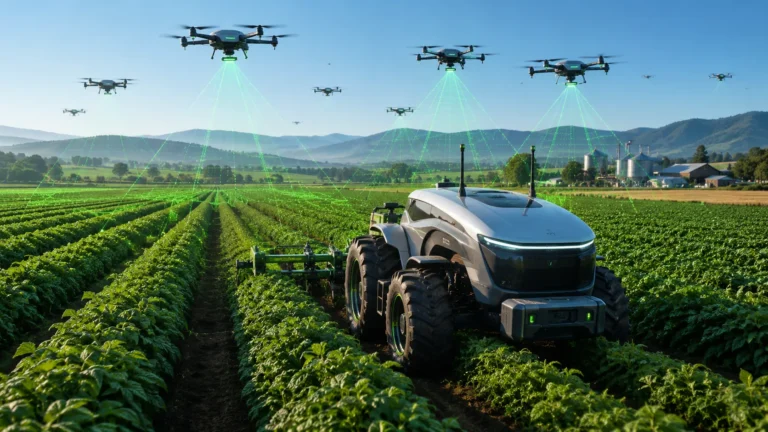
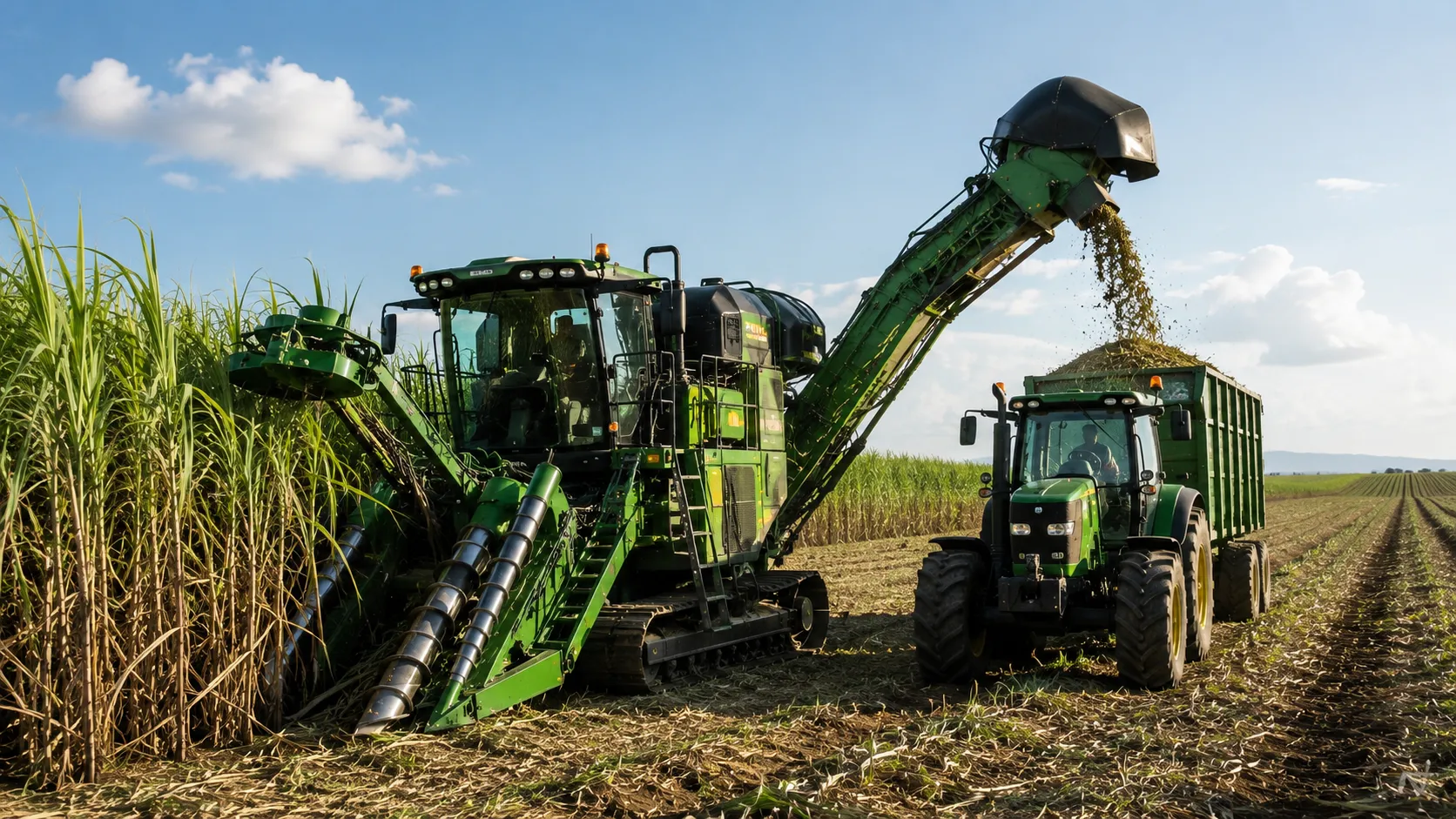
To mitigate these structural deficits, the government and private agribusinesses are forced to implement aggressive agricultural revitalization programs. These initiatives include large-scale land replanting initiatives, optimized fertilizer distribution frameworks, and modernized mechanization. For institutional investors looking at capitalizing on the green transition, these upstream agricultural interventions represent a vital entry point. Funding the modernization of agrarian infrastructure is no longer a peripheral corporate social responsibility task; it is the fundamental underwriting requirement that ensures operational continuity for multi-million-dollar biorefineries.
Logistical Friction and Supply Chain Resilience in Agribusiness
Beyond agricultural yields, the physical transportation and processing logistics within the Biofuel Supply Chain present significant operational hurdles. Bioethanol feedstock is bulky, highly perishable, and expensive to transport over long overland distances due to high freight-to-value ratios. Consequently, locating processing plants in close geographic proximity to high-yield cultivation clusters is non-negotiable. Poor rural road infrastructure, inadequate port facilities, and a lack of specialized bulk liquid storage tanks can instantly erode the economic margins of a newly constructed biorefinery.
Furthermore, managing inventory volatility across seasonal harvest cycles requires sophisticated capital management. Sugarcane harvesting is seasonal, yet fuel blending mandates operate on a continuous, year-round basis. Refiners must maintain massive buffer stocks of molasses or intermediate products, necessitating robust working capital financing and advanced storage telemetry. This operational reality ties directly into broader financial frameworks for liquidity optimization in supply chain finance, ensuring that seasonal cash flow fluctuations do not compromise enterprise solvency.
To overcome these geographic and seasonal barriers, leading agribusiness operators are deploying integrated digital platforms to streamline procurement. By utilizing advanced geospatial mapping and IoT sensor networks, operators can monitor crop maturation cycles in real-time, matching refinery intake capacities with precise field-level harvests. This level of operational visibility transforms the Biofuel Supply Chain from a traditional, high-risk commodity trade into a predictable, industrialized manufacturing process that satisfies the stringent transparency demands of modern corporate governance.

Strategic Advisory for Agribusiness Investment and Risk Mitigation
For private equity sponsors, sovereign wealth funds, and corporate treasuries evaluating investments within this sector, navigating the feedstock dilemma requires a rigorous, multi-tiered advisory framework. We recommend focusing on three core pillars to de-risk exposure to the Biofuel Supply Chain:
- Secure Captive Feedstock Agreements: Never rely entirely on fragmented open-market spot procurement for agricultural inputs. Investors must insist on long-term, legally binding off-take and supply pacts directly with organized farmer cooperatives or vertically integrated plantation assets, ensuring baseline operational capacity regardless of broader market fluctuations.
- Implement Automated Compliance and Traceability: As global sustainability standards tighten, proving the ethical and environmental provenance of agricultural land is mandatory. Integrating RegTech and automated compliance gates ensures that land-use changes do not violate international anti-deforestation laws, protecting the asset from severe regulatory penalties or market exclusion.
- Diversify Downstream Monetization: Biorefineries should be engineered with technological flexibility, allowing them to shift production between fuel-grade bioethanol, industrial chemical inputs, and high-value animal feed co-products (such as distillers dried grains with solubles). This operational agility buffers the asset against sudden shifts in energy pricing or government blending mandates.
Ultimately, resolving the supply-side bottlenecks within the Biofuel Supply Chain will determine whether the national push for 30 to 50 new ethanol plants becomes a flourishing economic reality or a cautionary tale of overcapacity. By aligning private capital with sustainable agronomic modernization, rigorous supply chain governance, and advanced technological tracking, institutional allocators can secure premier positioning in the evolving renewable fuels market. For further insights into global agricultural liquidity models, reference specialized data analyses from the Food and Agriculture Organization (FAO).
Conclusion
The roadmap toward achieving the E20 mandate through the rapid construction of dozens of new bioethanol facilities presents a historic, multi-billion-dollar opportunity for private sector participation. However, this industrial expansion cannot outpace the foundational capacity of the agricultural sector. The ongoing tension between achieving national sugar self-sufficiency and securing adequate feedstock for fuel production underscores the reality that energy policy and agricultural economics are inextricably linked. Those institutional investors, project developers, and strategic operators who successfully master the complexities of the Biofuel Supply Chain—balancing upstream agricultural resilience with advanced digital logistics—will capture substantial alpha and establish themselves as indispensable leaders in the Indo-Pacific green economy.