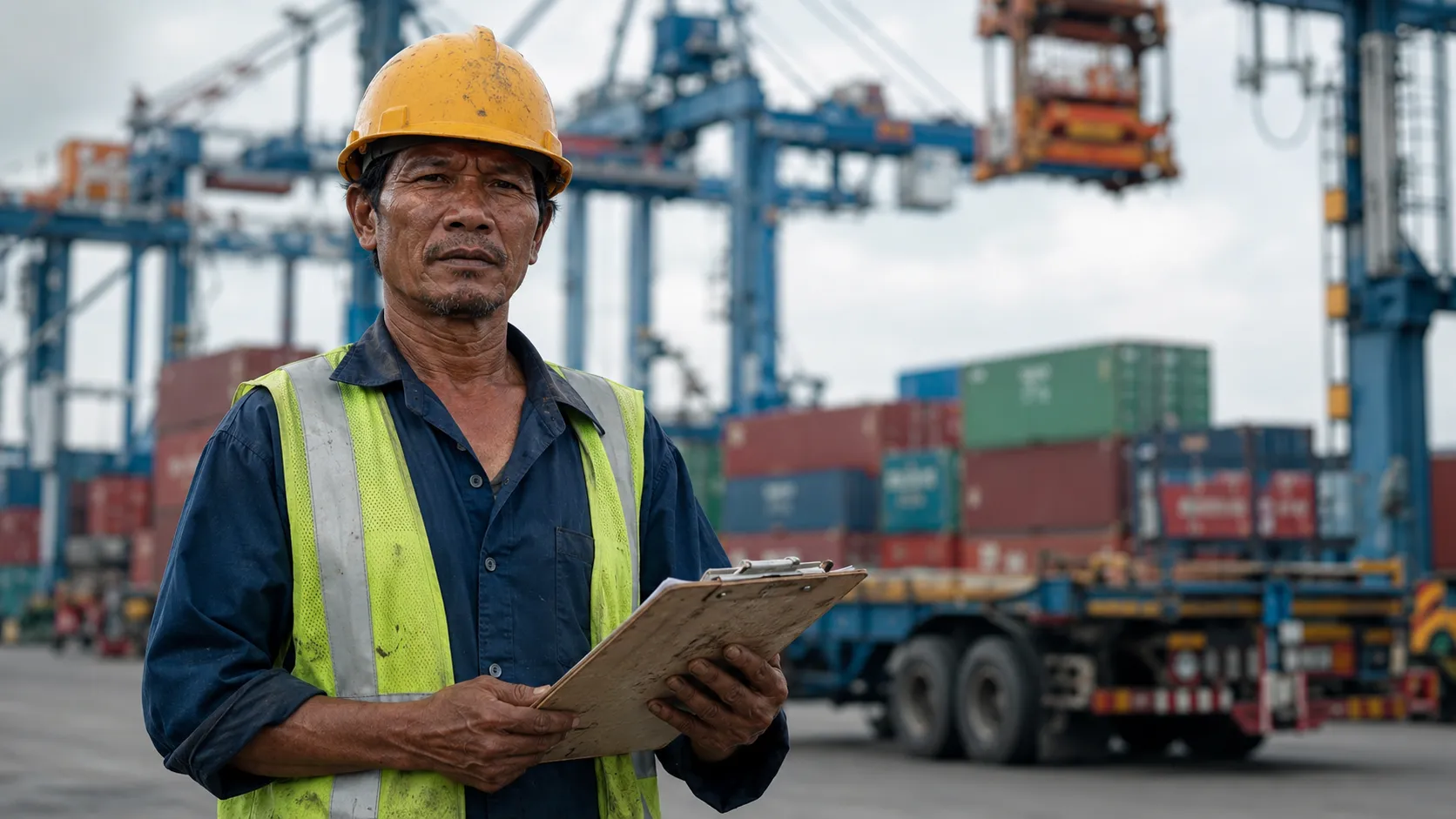
The global protectionist architecture officially tightened its grip on Southeast Asian export markets this week, yet the reaction from sovereign fiscal managers in Jakarta remains surprisingly measured. President Donald Trump has formally authorized a sweeping 10% baseline import duty on Indonesian goods, scheduled to take immediate effect this Friday. According to domestic reporting from Detik Finance, rather than triggering a defensive panic across the capital’s financial district, senior policymakers are framing the development as an acceptable, albeit frictional, macroeconomic compromise. The imposition of these US Tariffs Indonesia effectively removes a massive layer of sovereign uncertainty that had been actively suppressing forward-looking corporate capital expenditure across the archipelago.
Speaking from his Central Jakarta office on Friday, Minister of Finance Purbaya Yudhi Sadewa struck a pragmatic tone, noting that the finalized rate represents a dodged bullet for domestic manufacturers. Initial market anxieties had priced in the severe tail risk of a punitive 19% country-specific levy.
“It means the 19% tariff is off the table. Returning to a normal, across-the-board 10% rate is actually good for us,” Purbaya remarked. For institutional allocators and foreign exchange desks, this distinction is critical. Because the Trump administration is applying this 10% baseline universally against a broad basket of international trading partners, Indonesia retains its relative competitive parity. Absolute export volumes to North America may face margin compression, but Jakarta does not lose structural ground to regional manufacturing rivals like Vietnam or India.
Nevertheless, absorbing an immediate 10% friction cost requires rapid tactical maneuvering from domestic producers. The US Tariffs Indonesia force local exporters to absorb part of the tax to maintain American market share, directly squeezing corporate profit margins. Purbaya acknowledged this reality, stating that while the global competitive footing remains roughly equal, the outright cost of doing business has marginally increased. This dynamic shifts the immediate burden onto the state to engineer localized efficiency gains that can offset the new cross-border taxation.
Related Insights


Navigating the USTR and Section 301 Complexities
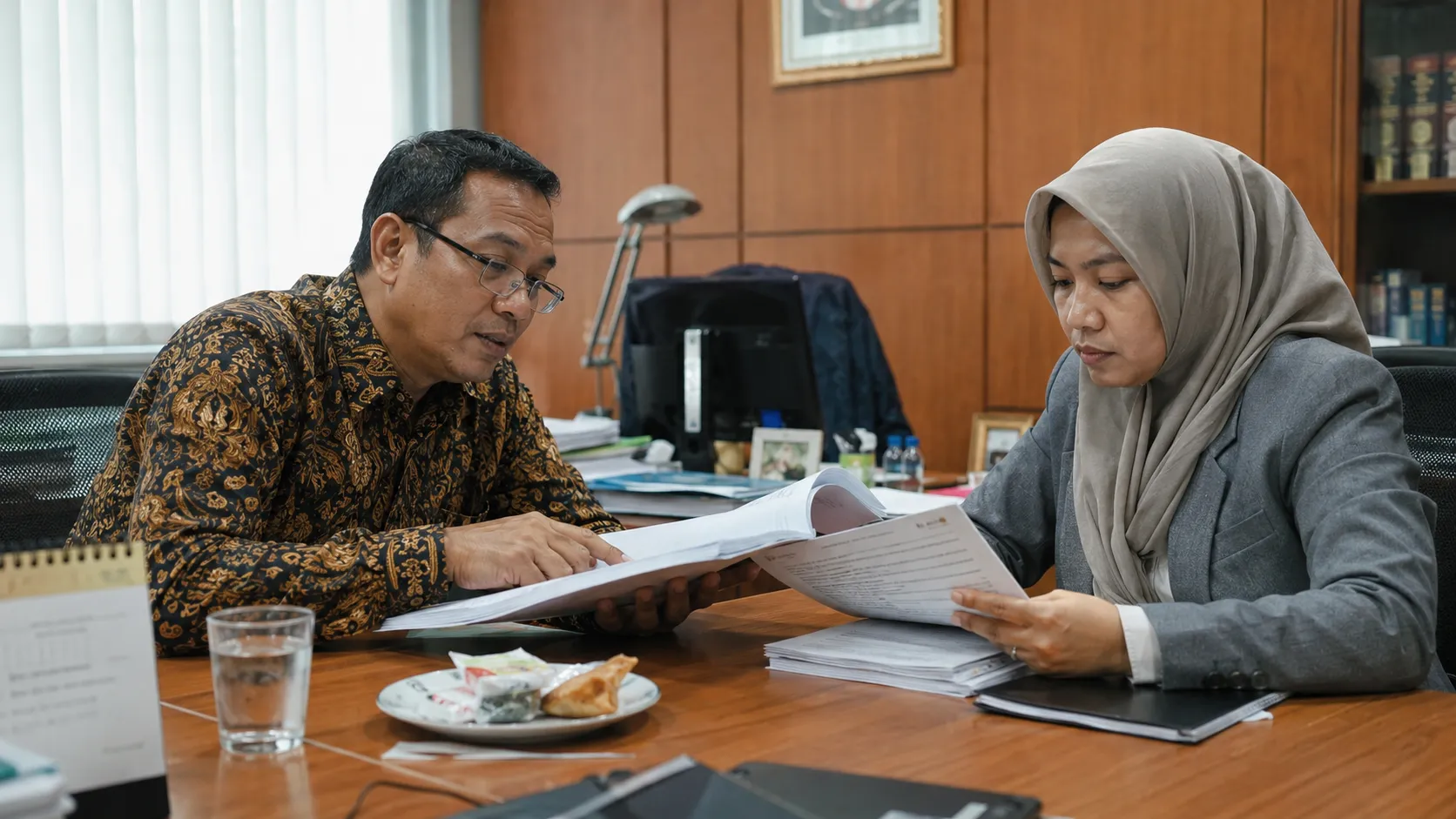
Beneath the headline tariff rate, a highly complex diplomatic negotiation is occurring quietly behind closed doors. Haryo Limanseto, spokesperson for the Coordinating Ministry for Economic Affairs, confirmed that Jakarta is aggressively engaged with the United States Trade Representative (USTR). The core friction points extend beyond simple trade deficits; they center on aggressive Section 301 investigations targeting alleged forced labor practices and manufacturing excess capacity within global supply chains. Indonesia has proactively positioned itself as a compliant partner, demonstrating robust regulatory frameworks designed to root out forced labor anomalies from its industrial export networks.
Limanseto detailed the government’s rigorous participation in the investigative process, which includes submitting formal written defenses, attending public hearings, and facilitating continuous inter-governmental consultations. This granular diplomatic labor is highly strategic. By operating cooperatively within the USTR framework, Indonesia aims to carve out lucrative product exemptions from the broad US Tariffs Indonesia. Authorities are particularly focused on ensuring that products previously insulated by specialized agreements, such as the ART (Advanced Recognition Trade) framework, remain entirely protected from the new 10% penalty.
The ongoing USTR audit regarding excess capacity is expected to yield formal results shortly. Portfolio managers tracking ASEAN equities are watching this space with acute interest. If specific high-value sectors—such as critical minerals, processed nickel, or specialized textiles—secure exemptions, the associated domestic equities will likely experience a sharp repricing event. This nuanced bilateral maneuvering mirrors the broader global trade volatility we recently analyzed during our breakdown of the severe macroeconomic fallout from the US Canada tariffs, where aggressive trade posturing forced immediate cross-border supply chain restructuring.
Domestic Deregulation and Upstream Efficiency
Realizing that diplomatic exemptions alone cannot shield the entire economy from the US Tariffs Indonesia, the central administration is executing a two-pronged defensive strategy. The first phase focuses heavily on domestic structural reform. To help exporters maintain their price competitiveness in American retail markets despite the 10% headwind, the government is drastically simplifying the import regulations governing raw manufacturing materials. By slashing bureaucratic red tape at domestic ports and lowering the upstream procurement costs for local factories, the state hopes to mathematically offset the downstream tariff penalty.
This internal supply chain optimization acts as a localized fiscal stimulus, bypassing the need for direct state subsidies. When an Indonesian garment manufacturer or electronics assembler can source primary components faster and cheaper, the resulting margin expansion provides the exact financial buffer needed to absorb the new US border tax. Institutional capital tends to reward economies that exhibit this kind of agile regulatory responsiveness, viewing it as a structural defense against imported inflation and currency degradation.
Related Insights


The Macro Pivot: Accelerating Regional Trade Pacts
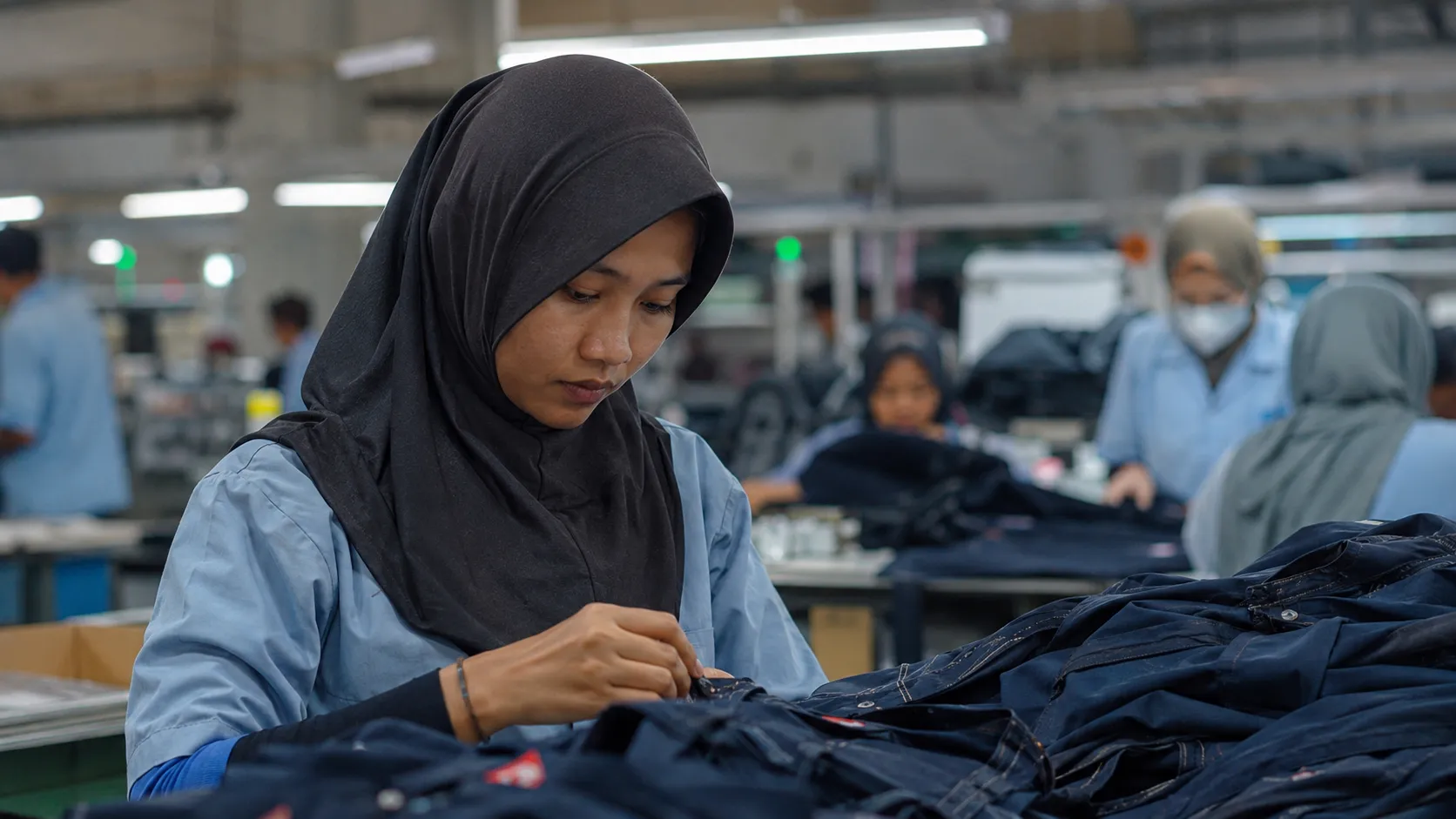
The second, and arguably most consequential, phase of Jakarta’s response is an aggressive acceleration of market diversification. The implementation of the US Tariffs Indonesia serves as a blunt reminder of the systemic risks associated with over-reliance on the American consumer. Consequently, the Coordinating Ministry is rapidly optimizing utilization rates for existing bilateral and multilateral frameworks, including the Indonesia-Australia Comprehensive Economic Partnership Agreement (IA-CEPA) and the Indonesia-Korea (IK-CEPA) agreements.
More critically, Indonesia is leaning heavily into the Regional Comprehensive Economic Partnership (RCEP), leveraging the massive Asian trading bloc to absorb excess export capacity. Furthermore, trade diplomats are currently pushing to finalize fresh, high-leverage agreements like the Indonesia-Eurasian Economic Union Free Trade Agreement (I-EAEU FTA), the deeply debated Indonesia-European Union CEPA (IEU-CEPA), and the Canada CEPA. For macroeconomic strategists analyzing global capital flows via authoritative platforms like Reuters Markets, this explicit pivot signals a long-term recalibration of Asian trade corridors.
Ultimately, while a sudden 10% tax on exports is rarely celebrated in traditional economic circles, the current reality suggests a highly resilient sovereign posture. The administration’s ability to categorize the US Tariffs Indonesia as a manageable variable rather than an existential crisis speaks volumes about the maturation of the domestic economy.
By combining targeted diplomatic engagement at the USTR level with aggressive internal deregulation and rapid geographic diversification, Jakarta is actively rewriting its trade playbook. Institutional investors should anticipate continued volatility in the short term, but the underlying structural reforms triggered by this tariff shock may ultimately render the Indonesian export machine far more robust in the years ahead.