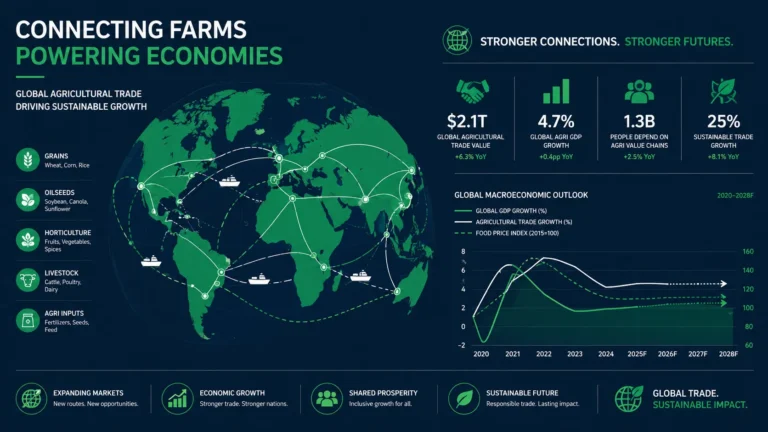
Financing smart irrigation systems has emerged as the definitive macroeconomic intervention for arid zones, offering an aggressive, high-return pathway to shield vulnerable agricultural economies from the catastrophic costs of severe droughts. Globally, the compounding pressure of absolute water scarcity has shifted from a long-term environmental concern into an immediate threat to corporate balance sheets and municipal financial stability. For decades, legacy agricultural networks in hyper-arid regions relied on highly inefficient surface flooding techniques, losing up to 60% of their drawn water directly to evaporation and soil run-off.
Related Insights


This chronic structural waste was sustainable only under predictable historical weather patterns. Today, intense climate shifts have rendered unchecked water consumption financially impossible. To survive structural resource depletion and volatile water pricing, modern agribusinesses and rural cooperatives must deploy automated infrastructure, converting local water conservation from an ecological ideal into a highly optimized asset class with a clear, rapid return on investment (ROI).
As we navigate through the fiscal year 2026, international asset managers, global water governance consultants, and corporate finance syndicates are evaluating precision agritech through a strict quantitative lens. The capital expenditure required to install smart irrigation systems can be substantial, often intimidating capital-constrained local producers. However, a rigorous net present value (NPV) analysis proves that operating without automated water controls introduces extreme operational liabilities that depress farm valuations. By integrating soil moisture sensors, real-time evapotranspiration algorithms, and automated drip networks, these advanced configurations allow village economies to optimize their water application precisely. This article provides an exhaustive economic blueprint of modern arid-zone water capitalization, illustrating how proactive technological investment slashes variable operating expenses, drives up seasonal crop yields, and guarantees institutional survival amid a global climate crisis.
The Drought Tax: Quantifying the Inaction Costs of Structural Water Scarcity
To accurately compute the financial return of financing smart irrigation systems, financial analysts must first establish the baseline cost of structural inaction. When an extreme drought event hits an unmitigated commercial farming operation in an arid zone, the economic damage spreads rapidly through multiple layers of the local corporate architecture, creating severe long-term liabilities.
- Sunk Input Capital Obliteration: Operating under severe water constraints without automated distribution controls results in widespread crop withered states, completely erasing the massive upfront investments allocated for high-yield biological seeds, labor, and crop protection inputs.
- Emergency Water Trucking Overhead: When local aquifers drop below critical operational thresholds, unprotected operators are forced to source emergency water supplies from private trucking fleets, inflating variable operational expenditures (OpEx) by up to 400% and completely destroying net profit margins.
- Irreversible Soil Salinization Liabilities: Persistent over-irrigation using low-efficiency flooding methods in arid environments draws deep-seated mineral salts to the surface soil layer. This salinization destroys land fertility, slashes the collateral valuation of the property, and demands expensive chemical restoration programs.
This reality proves that avoiding modernization does not preserve cash reserves; instead, it exposes the enterprise to unchecked systemic volatility, reinforcing the urgent commercial necessity for targeted financing smart irrigation systems deployments globally.
Related Insights

The Precision Engine: How Sensor-Based Networks Optimize Water Capital
Modern smart irrigation systems operate on a data-driven model that replaces human error and subjective scheduling with absolute, closed-loop automation. The entire mechanical framework is engineered to maximize every single drop of water by monitoring the precise physiological needs of the crop canopy in real time.
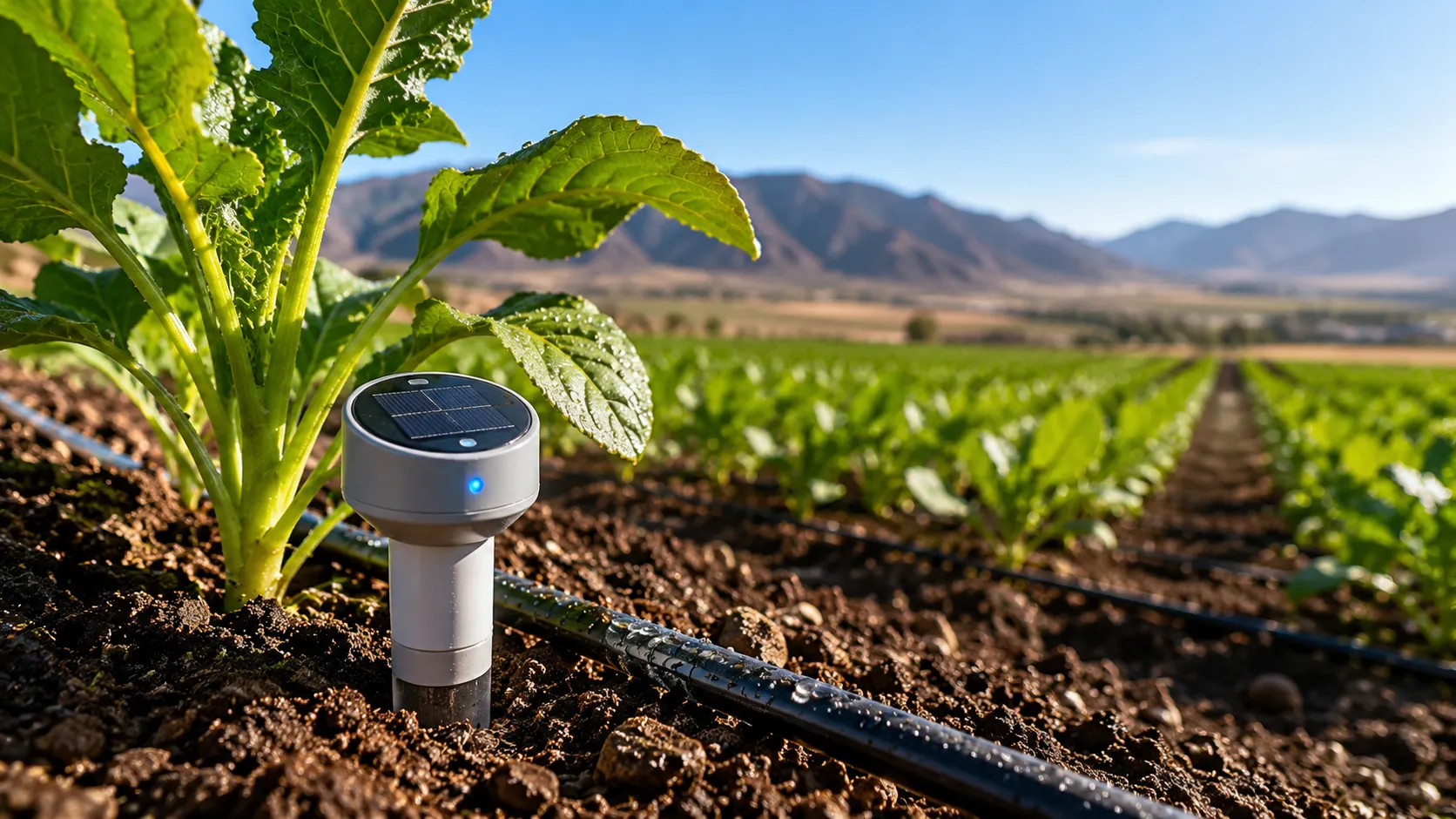
The core infrastructure relies on a distributed matrix of subterranean soil moisture sensors, hyper-local weather stations, and automated digital valves connected via low-latency cellular networks. Instead of applying water based on arbitrary timelines, the system constantly tracks soil water tension, ambient air temperatures, and relative humidity metrics. The cloud-based AI engine calculates real-time crop evapotranspiration rates—the exact amount of moisture the plant loses to the atmosphere—and automatically opens localized drip lines to deliver the exact required volume directly to the plant’s root zone. By delivering moisture strictly when the plant experiences water stress, the system eliminates runoff and deep percolation losses, allowing commercial farms to cut total water consumption in half while maintaining a pristine, low-stress cultivation environment.
Cost-Benefit Analysis: Underwriting the Payback Period and Financial ROI
Corporate investment committees and agricultural lenders evaluate infrastructure investments through a highly disciplined, multi-year cash flow framework. The primary objective is to prove that the initial capital expenditure (CapEx) of installing precision hardware is rapidly recovered through structural operational savings. Below is a structured analysis detailing the specific economic components that drive the rapid ROI of smart irrigation systems:
- Sub-24-Month Payback Velocity: Comprehensive field data from commercial installations in hyper-arid zones demonstrates that the total CapEx of hardware procurement and installation is completely recovered within 18 to 24 months, driven exclusively by input cost reductions and yield expansions.
- Massive Utility Bill Minimization: Slashing water consumption by 40% to 60% results in an immediate, compounding reduction in monthly water pumping utility fees, directly lowering the farm’s base energy expenditures.
- Exponential Crop Yield Maximization: Eliminating the shock of over-watering and under-watering allows plants to dedicate maximum biological energy to fruit production, expanding total harvest volumes by 15% to 25% while maximizing premium grade quality metrics.
- Optimization of Soluble Fertilizer Delivery: Smart drip networks enable precise fertigation—the mixing of liquid crop nutrients directly into the irrigation stream. This automated method reduces fertilizer waste by 30%, ensuring nutrients are absorbed instantly by the roots rather than leaching into the water table.
- Permanent Asset Value Enhancement: Commercial properties integrated with fully operational, tech-enabled water infrastructure command premium valuations on the real estate market, functioning as high-value, future-proof assets that insulate owners from regional climate mandates.
This comprehensive quantitative matrix clearly proves that financing smart irrigation systems should never be categorized as a regulatory compliance expense; rather, it functions as an aggressive, high-yielding structural hedge that dramatically expands corporate cash flow stability.
Innovative Financing Pathways: Unlocking Capital for Smallholder Collectives
Deploying advanced water technologies across fragmented village economies requires stepping outside the rigid frameworks of legacy commercial banking. Because smallholder cooperatives frequently lack traditional corporate balance sheets, agritech platforms and international development banks have engineered alternative financing pathways designed to channel global capital into rural infrastructure seamlessly.
One of the most successful mechanisms scaling precision water management is the asset-backed leasing model. Instead of forcing a local agricultural cooperative to secure massive personal loans to purchase hardware, global technology providers retain ownership of the physical sensors and automated valves. The local farming network leases the infrastructure through highly flexible, seasonal pay-as-you-go arrangements funded directly by localized crop sales revenues. This structure moves the investment risk away from the farmer’s personal asset base, allowing the community to fund their green transition purely through the immediate operational savings generated by the machinery itself.
Synergizing Water Modernization with the Broader Rural Finance Landscape
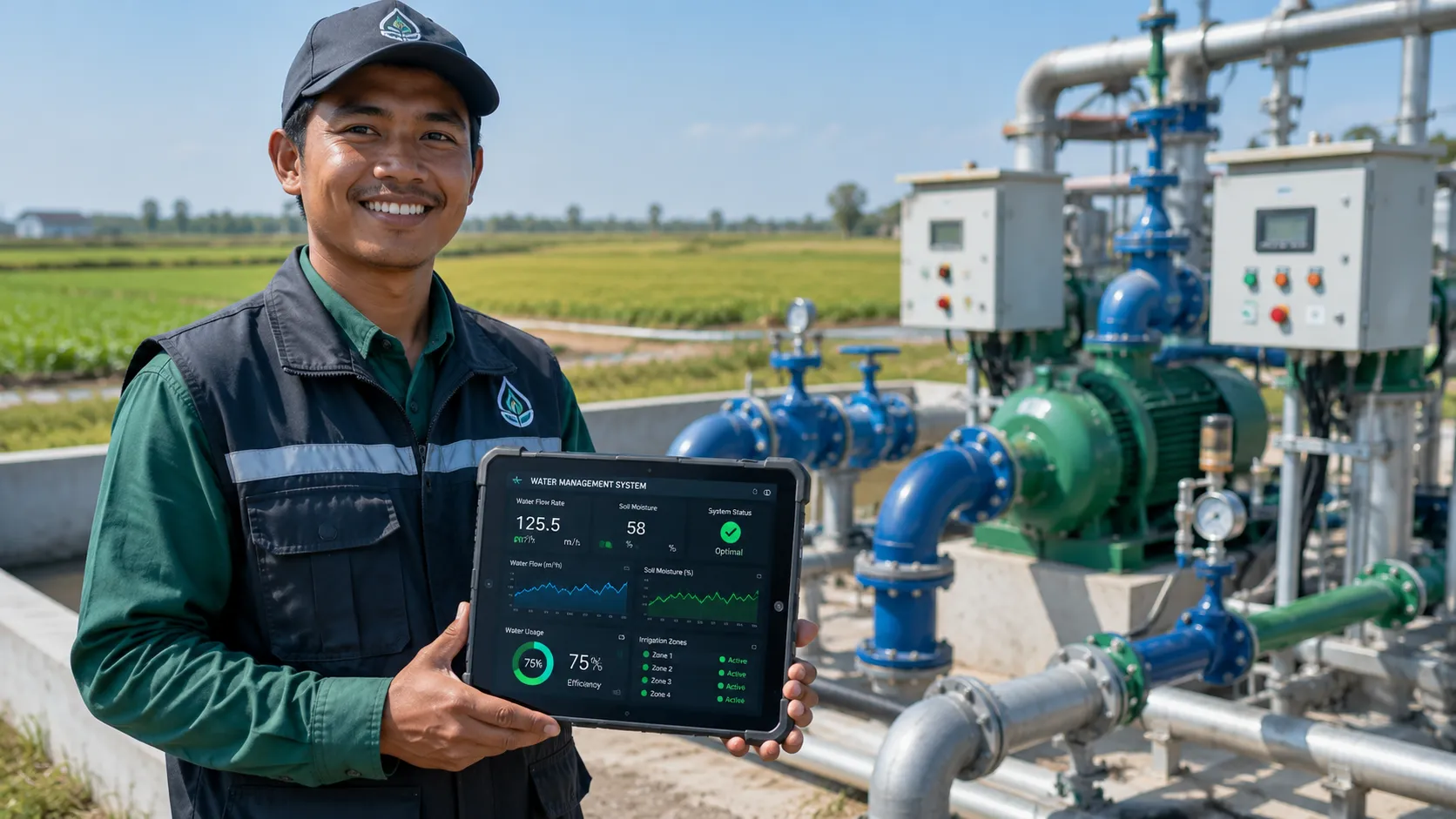
The profound macroeconomic transformation triggered by financing smart irrigation systems achieves its maximum performance when it interfaces directly with existing, data-driven rural financial architectures. The consistent cash flow stabilization and yield expansions generated by automated water delivery serve as the critical foundation that unlocks a diverse spectrum of sophisticated wealth-building tools, permanently formalizing the economic landscape of modern smart village networks.
This cross-platform technical connectivity creates an incredibly resilient, self-reinforcing economic framework. For instance, the reliable digital data ledgers generated by smart water networks provide the precise transactional histories required to accelerate localized mobile wallet adoption rates and expand regional retail commerce. Furthermore, this absolute operational transparency allows thin-file producers to easily satisfy the rigid risk validation benchmarks of advanced de-risking rural credit initiatives managed by international banking institutions.
By removing historical borrowing barriers, local cooperatives can safely protect their yields against extreme weather volatility via automated climate-indexed parametric insurance models, secure long-term capital through fixed-income portfolios raised via structured rural green bonds, access working capital through advanced AI-driven credit scoring models, and participate directly in premium corporate sustainable supply chain finance networks, ensuring the entire village economy cleanly qualifies for competitive grants distributed through global international green grants.
According to comprehensive water asset management briefs published by the International Food Policy Research Institute (IFPRI), integrating decentralized precision infrastructure with transparent digital payment systems is the single most effective methodology to minimize default risks in emerging economies. It provides global institutional asset managers with absolute certainty that every single drop of water is precisely tracked, valued, and converted into measurable economic output, completely isolated from corporate administrative leakage or local political instability at every stage of the asset lifecycle.

Conclusion
The global expansion of financing smart irrigation systems across arid zones marks a permanent, structural paradigm shift in the evolution of international environmental economics. By converting the intangible ecological necessity of water conservation into a highly liquid, rapid-ROI corporate asset, the global agritech movement has successfully built an unassailable highway toward rural economic self-reliance. The historical constraints of geographical isolation, institutional credit gaps, and crippling drought shocks are no longer absolute barriers to economic progress. As remote sensing technologies continue to mature, automated machine learning risk engines achieve absolute consensus data transparency, and corporate ESG mandate compliance intensifies across all international borders, the rural agricultural networks that confidently integrate with these precision water management systems will secure their position as the highly resilient, self-sustaining, and prosperous anchors of the modern global economy.