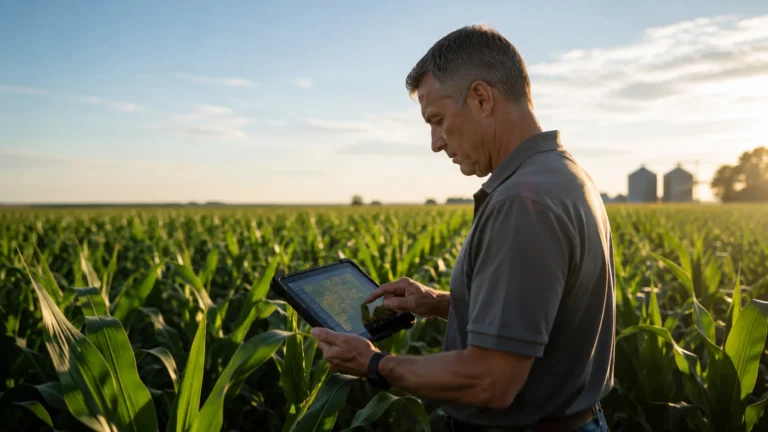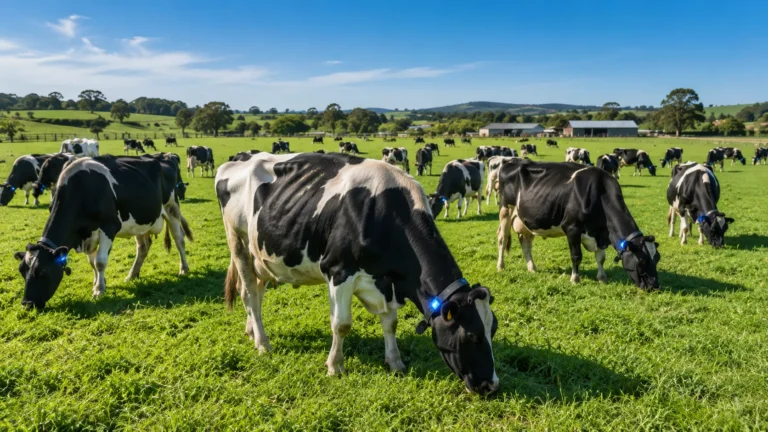
Parametric weather-index insurance has rapidly evolved into the most effective financial shield available for smallholder agriculture, offering a highly precise mechanism to neutralize the devastating economic impacts of severe climate anomalies. In the current global agricultural landscape, the frequency and intensity of unpredictable weather events—ranging from prolonged droughts to sudden, catastrophic flooding—have shattered historical cultivation models. For decades, rural producers and agrarian cooperatives operated without a safety net, fully absorbing the financial shock of ruined harvests.
Related Insights
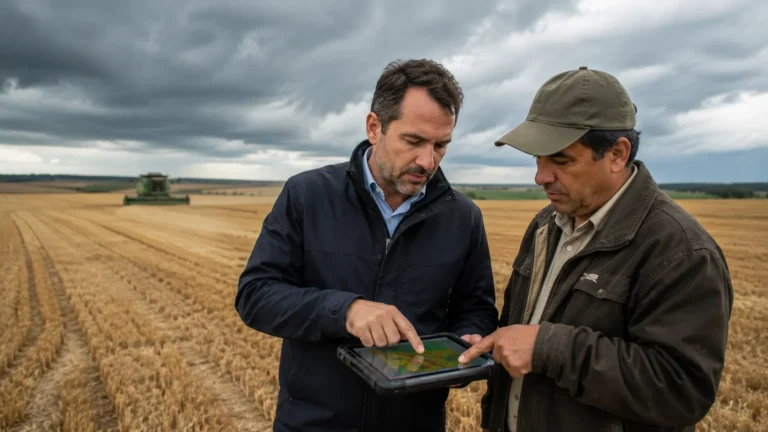
Traditional indemnity insurance models attempted to bridge this gap but ultimately failed in remote regions. Legacy insurance requires dispatching human adjusters to physically verify crop damage, a logistical nightmare that results in exorbitant administrative overhead, highly subjective claim denials, and payout delays stretching for months. By the time a traditional settlement clears, the critical replanting window has closed, and the local farming network has already descended into insolvency. Today, the deployment of parametric weather-index insurance completely bypasses this broken bureaucracy, shifting the underwriting focus from subjective physical damage to objective, real-time meteorological data.
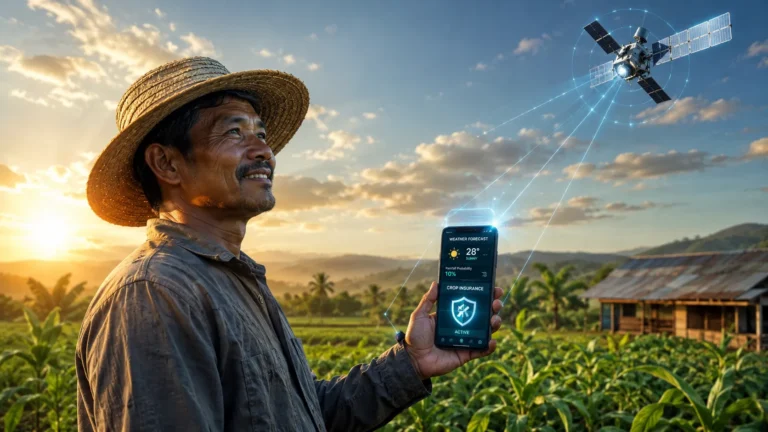
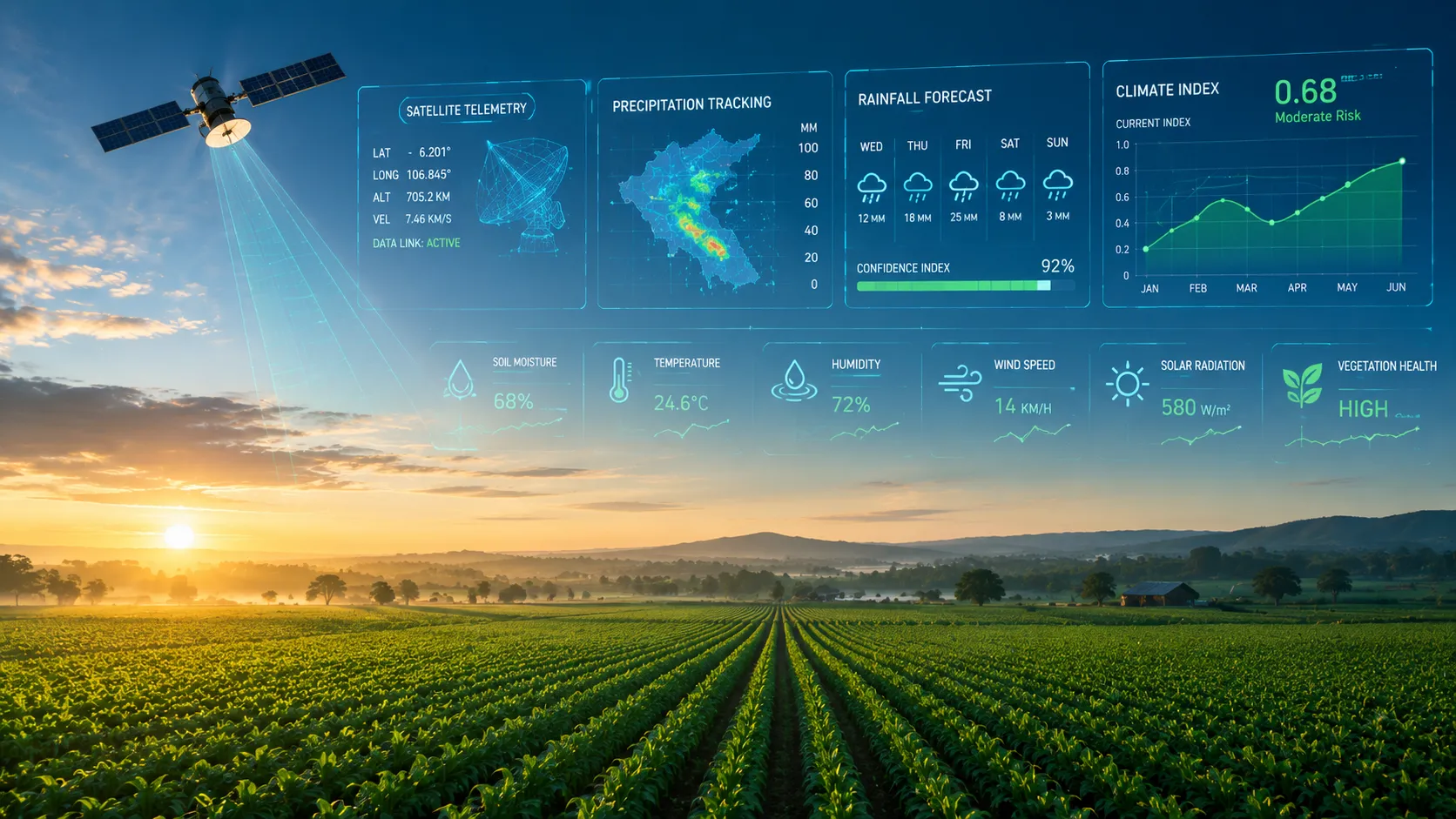
As we advance through 2026, the intersection of aerospace telemetry, decentralized data processing, and commercial underwriting has created a frictionless safety net for vulnerable agrarian zones. Instead of insuring the physical crop, parametric policies insure the environmental conditions required for that crop to survive. By establishing highly specific data thresholds—such as a defined deficit in millimeter rainfall over a critical 30-day vegetative phase—these modern policies automate risk management. When a climate anomaly breaches the pre-agreed contract threshold, the system triggers an immediate payout.
This radical acceleration in capital velocity not only rescues the individual farmer from immediate financial ruin but also profoundly stabilizes the broader rural credit ecosystem. Institutional lenders, previously terrified of localized climate defaults, are now aggressively backing cooperatives secured by these digital policies, unlocking massive capital pipelines for grassroots agricultural modernization.
The Failure of Legacy Indemnity in Agrarian Networks
To fully grasp the revolutionary commercial impact of parametric weather-index insurance, one must analyze why traditional crop insurance structurally collapses in emerging markets. When an institutional underwriter attempts to apply legacy models to highly fragmented, small-scale farming cooperatives, the financial architecture breaks down under the weight of operational friction.
Related Insights
- The Cost of Physical Verification: Assessing a claim in traditional insurance requires a certified agronomist to travel to remote, often inaccessible plots to calculate exact yield losses. This manual process generates administrative costs that frequently exceed the actual value of the smallholder’s micro-premium.
- Basis Risk and Moral Hazard: Traditional systems are plagued by the fear of moral hazard—where farmers might intentionally neglect failing crops to guarantee a payout. Conversely, farmers face massive basis risk when adjusters subjectively underestimate the damage, leading to prolonged legal disputes and inadequate compensation.
- Lethal Liquidity Delays: A farming cooperative operating on razor-thin margins cannot wait six months for a corporate claims department to process paperwork. Delayed capital means the cooperative defaults on its supply loans and misses the subsequent planting season entirely.
This systemic paralysis left agricultural communities exposed and undercapitalized, proving that an entirely new, automated risk transfer mechanism was required to sustain global food security in an era of escalating climate volatility.
Automated Data Triggers: The Satellite Underwriting Engine
The operational core of parametric weather-index insurance is its reliance on absolute data transparency. The modern policy is written as an automated digital contract governed entirely by third-party meteorological oracles, completely removing human bias from the claims process.
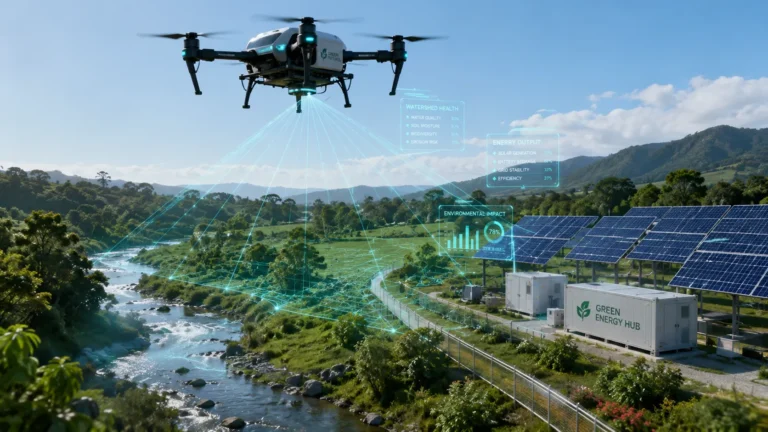
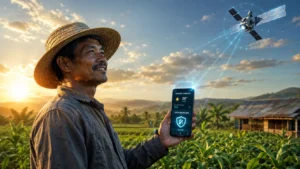
This automated verification is powered by a diverse matrix of space-based and ground-level telemetry. High-resolution multi-spectral satellites monitor real-time soil moisture indexes, while localized Internet of Things (IoT) weather stations record exact ambient temperatures and rainfall accumulations down to the millimeter.
If a farming cooperative secures a parametric policy against drought, the contract clearly defines the trigger parameter: for example, less than 50mm of cumulative rainfall between June 1st and July 15th. The moment the satellite data confirms that the rainfall recorded during that exact window was only 42mm, the policy executes autonomously.
There are no damage assessments, no claim forms to file, and no adjusters to bribe or dispute. The verified environmental data acts as the ultimate source of truth, routing the agreed financial compensation directly into the cooperative’s digital accounts within hours. This frictionless execution is what allows international reinsurance conglomerates to underwrite millions of micro-policies simultaneously without suffocating under administrative overhead.
De-risking Rural Credit Systems for Institutional Lenders
While the immediate beneficiary of a rapid payout is the local farmer, the most profound macroeconomic impact of parametric weather-index insurance is its ability to shield institutional lenders from systemic climate shocks. Commercial banks and microfinance institutions have historically restricted capital flows to rural sectors because a single severe drought could trigger mass defaults across their entire regional loan portfolio, threatening the bank’s own solvency.
Integrating parametric safeguards fundamentally alters this credit dynamic. When a farming cooperative’s seasonal yields are fully insured against climate anomalies via automated data triggers, the institutional lender’s underlying collateral is protected. If the harvest fails due to an environmental shock, the immediate insurance payout allows the cooperative to seamlessly service their debt obligations.
According to comprehensive agricultural finance reports published by the World Bank, embedding parametric weather-index insurance directly into the structure of rural loans acts as a critical macroeconomic shock absorber. This integration completely neutralizes the threat of climate-induced mass defaults, allowing commercial lenders to safely reduce their interest rate premiums and aggressively scale their capital deployment into previously unbankable regions.
“By decoupling financial compensation from physical damage assessments, automated parametric models provide the instant liquidity necessary to prevent a transient localized climate anomaly from escalating into a permanent regional credit freeze.”
This absolute financial security transforms vulnerable agricultural loans into highly predictable, institutional-grade assets, attracting massive influxes of foreign direct investment into grassroots agrarian projects.

Synergizing Parametric Ecosystems with the Broader FinTech Architecture
The structural stabilization achieved by deploying parametric weather-index insurance reaches its maximum economic velocity when it interfaces directly with existing, data-driven rural financial architectures. The absolute certainty of operational liquidity serves as the critical foundation that unlocks a diverse spectrum of sophisticated wealth-building tools, permanently formalizing the economic landscape of smart villages.
This cross-platform technical connectivity creates an incredibly resilient, self-reinforcing financial framework. For instance, routing instant insurance payouts through digital channels directly accelerates regional mobile wallet adoption rates and maintains commercial retail velocity during a crisis. Furthermore, this guaranteed liquidity allows local primary producers to confidently satisfy the strict risk validation benchmarks of advanced de-risking rural credit initiatives tracked heavily by global development organizations like the Food and Agriculture Organization (FAO). By removing historical borrowing barriers, protected farming networks can safely secure long-term capital through fixed-income portfolios raised via structured rural green bonds, optimize their raw material pipelines via corporate sustainable supply chain finance networks, build pristine credit metadata via alternative credit scoring models, and modernize their physical operations through leased hardware backed by asset-backed financing configurations, ensuring the entire community seamlessly qualifies for competitive resources distributed through global international green grants.
Securing the Future of Agrarian Economies
The widespread global adoption of parametric weather-index insurance marks a permanent, structural paradigm shift in the execution of agricultural risk management, turning the historic vulnerability of climate volatility into a highly secure, data-verified commercial opportunity for global capital pools. By replacing old, exclusive, and excruciatingly slow legacy claims networks with automated meteorological triggers and real-time capital disbursement, the global agritech movement has successfully built an unassailable highway toward rural economic stability. The historical constraints of geographical isolation, institutional credit gaps, and crippling drought shocks are no longer absolute barriers to long-term prosperity. As remote sensing technologies continue to achieve hyper-local precision, and automated machine learning risk engines optimize their pricing models, the rural agrarian cooperatives that confidently integrate with these digital insurance frameworks will secure their position as the highly resilient, self-sustaining anchors of the modern global food economy.