Executive Summary: The global energy transition is rapidly decentralizing. As major metropolitan power grids grapple with congestion and decarbonization pressures, the true frontier of renewable infrastructure investment lies in rural electrification and localized micro-grids. For foreign green infrastructure funds, institutional asset managers, and renewable energy developers, financing capital-intensive solar photovoltaic installations and Battery Energy Storage Systems (BESS) in emerging economies has historically been impeded by counterparty default risks and regulatory friction. However, an innovative institutional model is emerging in Southeast Asia: financing and operating decentralized renewable assets directly through village-owned cooperatives. By utilizing localized Power Purchase Agreements (PPAs) managed by Badan Usaha Milik Desa (BUM Desa) entities, international funds can capture stable, long-duration yields backed by sovereign-linked rural demand.
Related Insights

The macroeconomic drivers accelerating the demand for Solar Micro-Grids across isolated island archipelagos and remote agrarian districts are undeniable. Traditional fossil-fuel-powered rural generation is economically unsustainable, highly polluting, and vulnerable to volatile international diesel pricing. Deploying utility-grade solar micro-grids combined with intelligent BESS infrastructure guarantees energy security while drastically lowering carbon emissions. For institutional investors governed by strict ESG mandates, this asset class offers the ultimate “double-bottom-line” profile: measurable, auditable carbon mitigation paired with resilient, inflation-indexed cash flows that rival traditional infrastructure investments in developed nations, closely aligning with standards seen in institutional infrastructure debt allocation.
This executive briefing provides a comprehensive analysis of the financial architecture, contractual mechanisms, and governance models required to successfully deploy green capital into decentralized village grids. We evaluate how structured PPAs with BUM Desa cooperatives de-risk capital deployment, transforming remote renewable installations into bankable, institutional-grade financial assets.
The Economics of Decentralized Power and BESS Integration
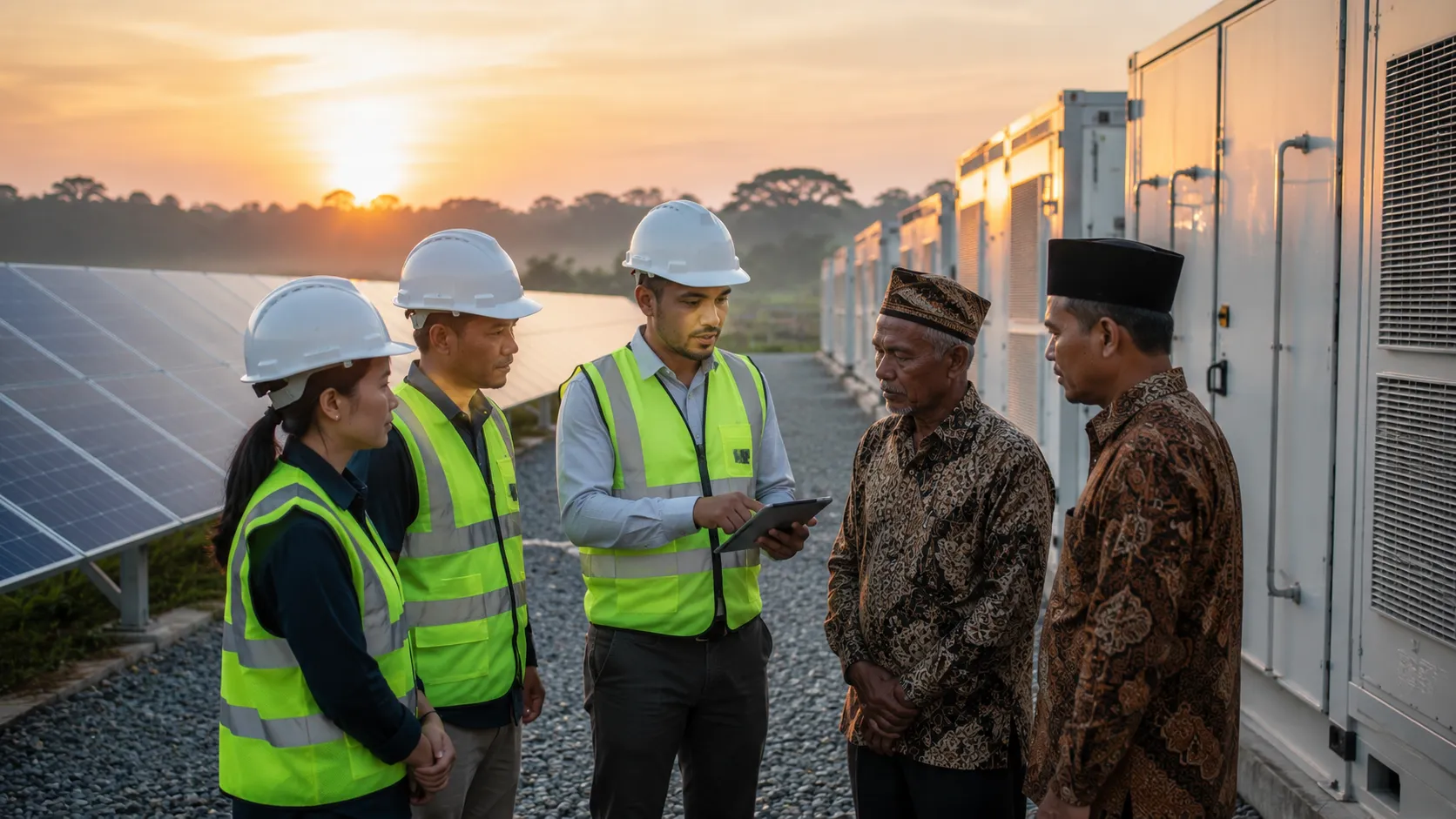
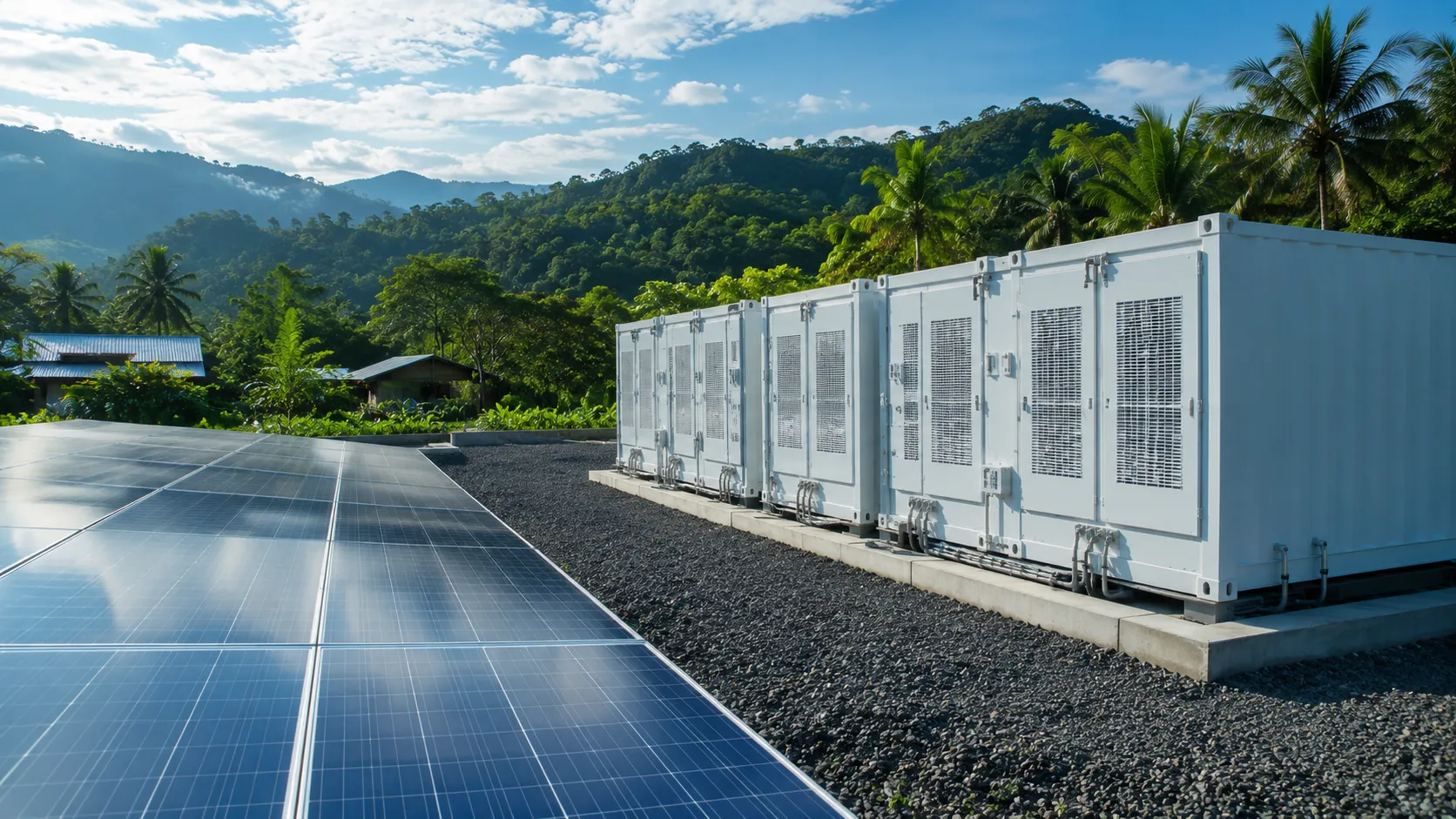
To evaluate the investment potential of rural clean energy, one must analyze the technological maturation of solar and storage components. Historically, standalone solar installations suffered from intermittency, rendering them inadequate for continuous commercial and residential loads. However, the dramatic cost compression of lithium-ion and alternative Battery Energy Storage Systems (BESS) by 2026 has completely altered the economic paradigm. Modern Solar Micro-Grids equipped with intelligent BESS can store excess daytime generation and provide reliable, baseload power 24/7.
From an institutional financing perspective, decentralized micro-grids function as localized utility assets. Rather than relying on a massive, centralized transmission network, these installations operate independently or in localized mini-grids, serving high-demand rural anchors such as agricultural cold storage facilities, local water purification plants, and dense residential clusters. This localized demand concentration ensures high capacity utilization and steady revenue generation. Furthermore, integrating these projects with broader regional decarbonization strategies allows developers to tap into specialized green bonds, mirroring financing frameworks utilized in capitalizing on the green transition.
Related Insights


The capital expenditure (CapEx) required to build these resilient grids is substantial, opening an immense window for foreign green infrastructure funds. By structuring debt and equity instruments that fund the physical hardware while leveraging local operational management, institutional investors can achieve highly attractive risk-adjusted internal rates of return (IRRs) that are entirely decoupled from public equity market volatility.
Localized Power Purchase Agreements (PPAs) and BUM Desa Governance
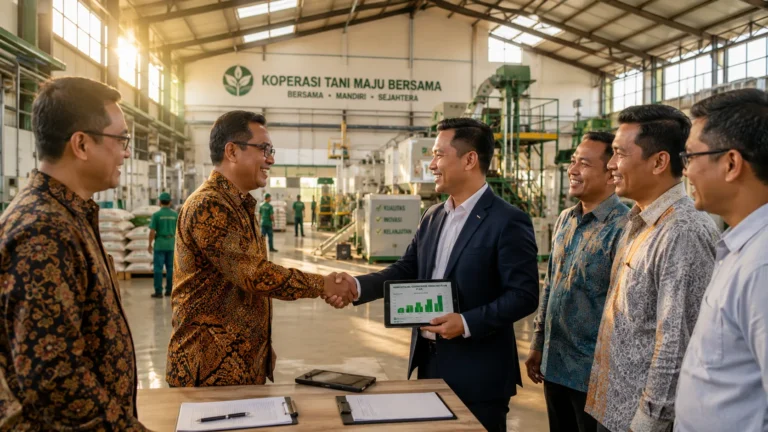
The cornerstone of bankability for any infrastructure project is the off-take agreement. In decentralized rural energy financing, this is executed via Localized Power Purchase Agreements (PPAs) negotiated directly with the BUM Desa cooperative. Because the BUM Desa acts as the official commercial entity representing the village electricity consumers and commercial enterprises, it possesses the legal capacity to sign binding, long-term tariff agreements denominated in stable currencies or inflation-indexed local tender.
These PPAs are structurally reinforced by sovereign rural electrification subsidies and municipal anchor-load contracts. For instance, when a village cold-storage facility powering local agricultural exports enters into a 15-year PPA with the solar micro-grid operator, the revenue stream is secured by active commercial trade rather than consumer retail uncertainty. Additionally, utilizing blended finance frameworks for rural enterprises allows international funds to secure first-loss debt tranches, ensuring that even if localized tariff collections experience seasonal lags, the senior debt holder remains fully protected.
Operational transparency is maintained through the deployment of automated IoT metering and smart-grid billing systems. Institutional investors can monitor real-time power generation, battery discharge rates, and revenue collections via cloud-based dashboards, eliminating informational asymmetry and ensuring absolute fiduciary control over remote assets.

Strategic Advisory for Green Infrastructure Funds
For institutional fund managers and private equity directors seeking to deploy capital into decentralized renewable assets, executing a successful portfolio strategy requires rigorous adherence to specific operational and legal guidelines:
- Prioritize Anchor Commercial Loads: Structure micro-grid investments around verified commercial anchor tenants (e.g., agricultural processing plants, telecommunications towers, ice-making factories) rather than relying solely on residential retail tariffs to guarantee stable cash flows.
- Implement Automated Smart-Billing Escrows: Mandate that all power tariff collections from end-users flow through automated digital payment gateways directly into segregated, multi-signature escrow accounts before revenue is split with local operational partners.
- Ensure Local Technical Redundancy: Partner with regional engineering firms that provide comprehensive training to local BUM Desa technicians, ensuring rapid maintenance response times and mitigating the risk of extended hardware downtime.
Conclusion
The transition toward Solar Micro-Grids and decentralized renewable infrastructure represents a massive, highly lucrative frontier for institutional green capital. By structuring resilient local PPAs and partnering with empowered BUM Desa cooperatives, foreign infrastructure funds can bypass the bottlenecks of centralized grid expansion while unlocking predictable, long-term yields. This decentralized model proves that rigorous financial engineering and genuine grassroots sustainability can successfully coexist, establishing the definitive blueprint for the future of rural electrification in emerging markets.